

EGAT launches “No. 5 non-iron student shirt” and labels new No. 5 energy-saving EV-related products
28 October 2022Ministry of Energy, EGAT, and allies launched No. 5 non-iron student shirt for the new semester and granted the No.5 Energy-Saving Label to EV charger, EV bike battery, and split-type VRF air conditioner.
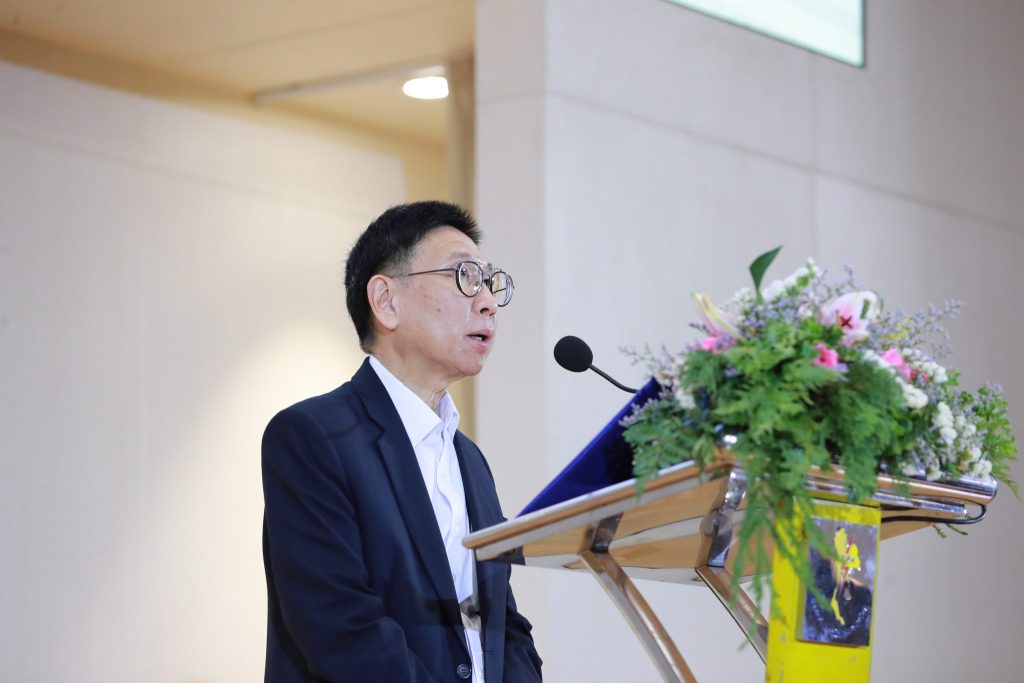
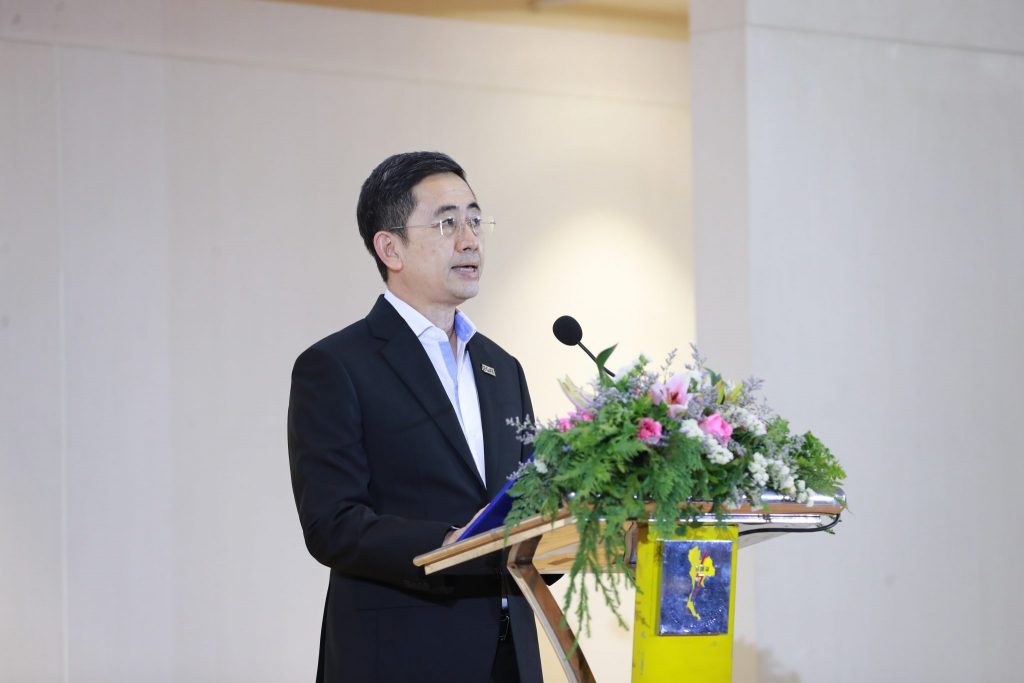

On October 28, 2022, Mr. Kulit Sombatsiri, Permanent Secretary of Ministry of Energy, Mr. Boonyanit Wongrukmit, Governor of Electricity Generating Authority of Thailand (EGAT), and allies attended the signing ceremony of the cooperation on No.5 Energy-Saving Label Project, coupled with presenting trophies for Energy-saving Counseling and No.5 Energy-Saving Label Projects, at the Auditorium, EGAT 50th Anniversary Building, EGAT Headquarters, Nonthaburi Province. This cooperation aims to promote power consumption reduction, energy conservation, and CO2 emissions reduction, moving toward clean energy transition and carbon neutrality in line with the national goal. The event includes these following activities.

• No. 5 energy-saving student shirt was launched. The product has been developed by EGAT and Thai Textile Institute, with non-iron, crease-resistance, and Cool Mode features; thus, lessening ironing time by two minutes, energy use by 7.75 million units or 31 million Baht/year, and CO2 emissions by 3,709 tons/year.


• EGAT and 43 companies signed the cooperation on No.5 Energy-Saving Label Project, with three types of certified energy-saving products to be sold in April 2023 which are electric vehicle (EV) charger, Lithium-ion EV bike battery, and split-type Variable Refrigerant Flow (VRF) air conditioner.
• The appreciation trophies were presented to 19 organizations in Energy-saving Counseling project, five organizations in No.5 Home and Building project, and 31 companies in No.5 Energy-saving project since 2020-2022.
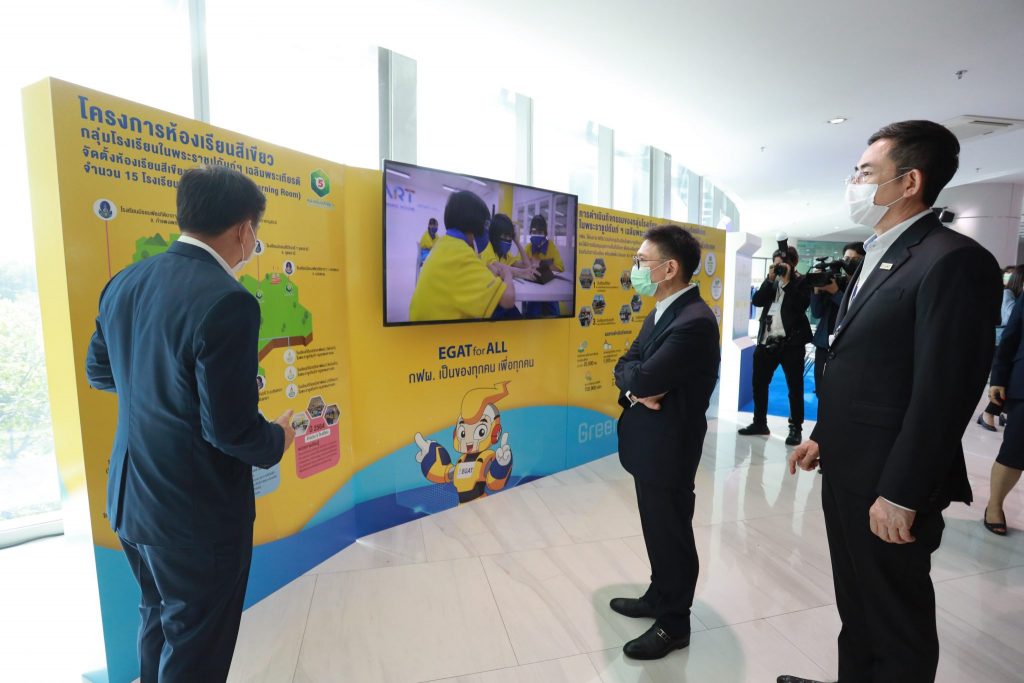
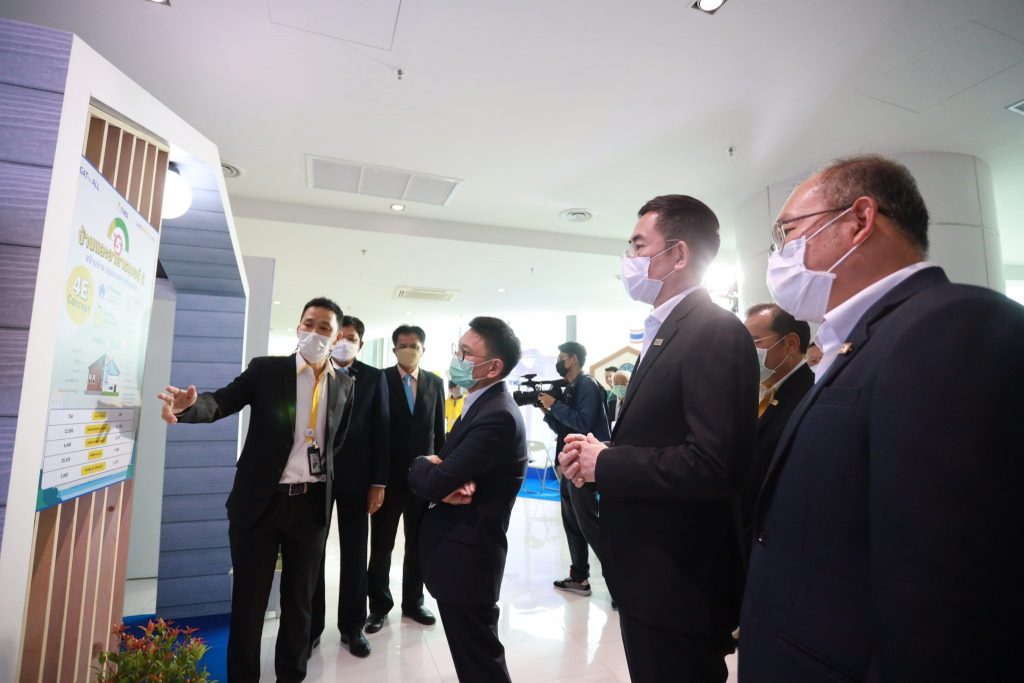
EGAT has carried out the demand supply management with 3E Strategies; E1 – Energy Saving Equipment, E2 – Energy Saving Building, and E3 – Energy Saving Habit. It aims to enhance energy efficiency in government, business, industrial, and residential sectors, contributing to the reduction of power consumption of about 35,000 million units, equivalent to CO2 emissions reduction of 16.4 million tons.