Stakeholder Management
EGAT places importance on systematically enhancing stakeholder management and is committed to effectively and efficiently addressing stakeholders’ needs and expectations in compliance with applicable laws and regulations, with the aim of creating shared value with stakeholders in a sustainable manner.
| Targets for 2025 | Performance |
| ● The proportion of stakeholder issues (Key Issues) identified in the Stakeholder Management Master Plan 2025–2029 that are effectively managed is targeted at 75%. | ● The proportion of stakeholder issues (Key Issues) identified in the Stakeholder Management Master Plan 2025–2029 that were effectively managed reached 100%. |
| ● The proportion of complaint reports that are investigated to identify root causes and resolved within 30 days from the registration date, excluding complaints related to government policy, matters beyond EGAT’s decision-making authority, or anonymous complaints, is targeted at 60%. | ● The proportion of complaint reports that were investigated to identify root causes and resolved within 30 days from the registration date, excluding complaints related to government policy, matters beyond EGAT’s decision-making authority, or anonymous complaints, was 67.24%. |
Policy and Commitment
EGAT has established a Stakeholder Management Policy and defined good practices under the Stakeholder Management Policy in the EGAT Corporate Governance Manual to serve as a common framework for stakeholder management across the organization.
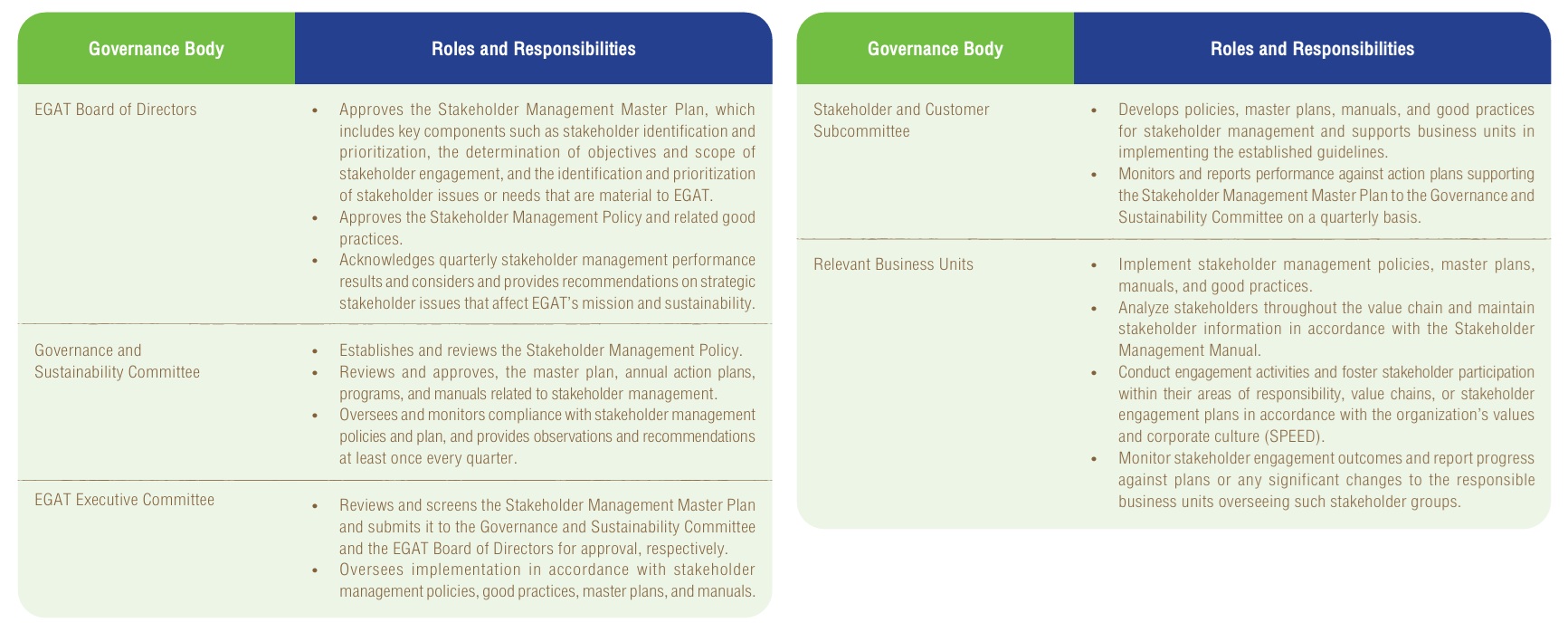
Operational Structure
Management Approach
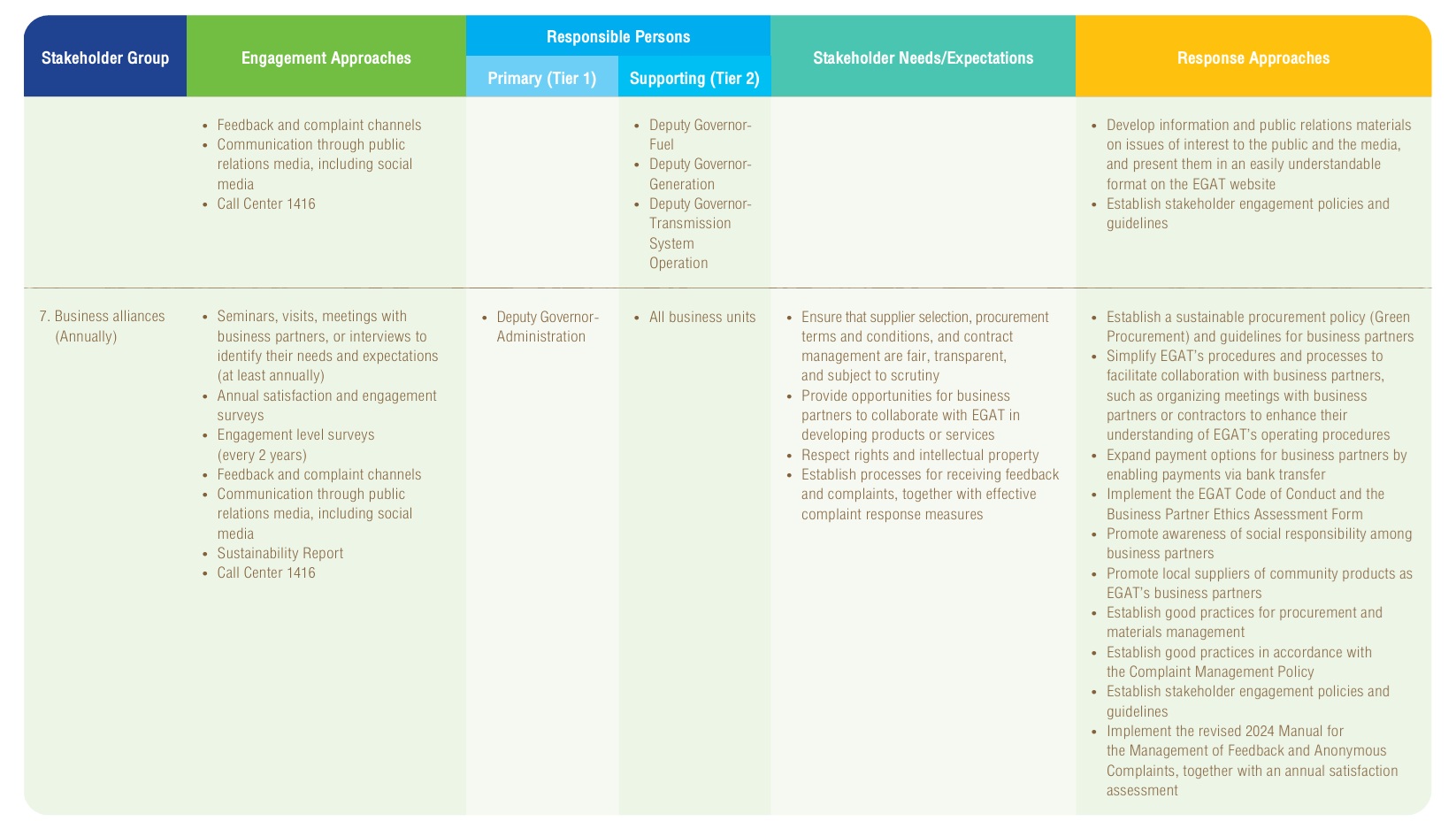
EGAT manages stakeholders in accordance with the AA1000 Stakeholder Engagement Standard (AA1000SES) and the State Enterprise Assessment Model (SE-AM) of the State Enterprise Policy Office (SEPO) under the stakeholder and customer focus dimension. Implementation is driven through the Stakeholder Management Master Plan, which is communicated to relevant business units for the development of engagement plans and supporting action plans. Performance forecasts and monitoring results are also regularly presented to the Governance and Sustainability Committee on a quarterly basis. In 2025, EGAT achieved 100% implementation of its planned activities in accordance with its target.
Stakeholder management at EGAT consists of the following seven steps:
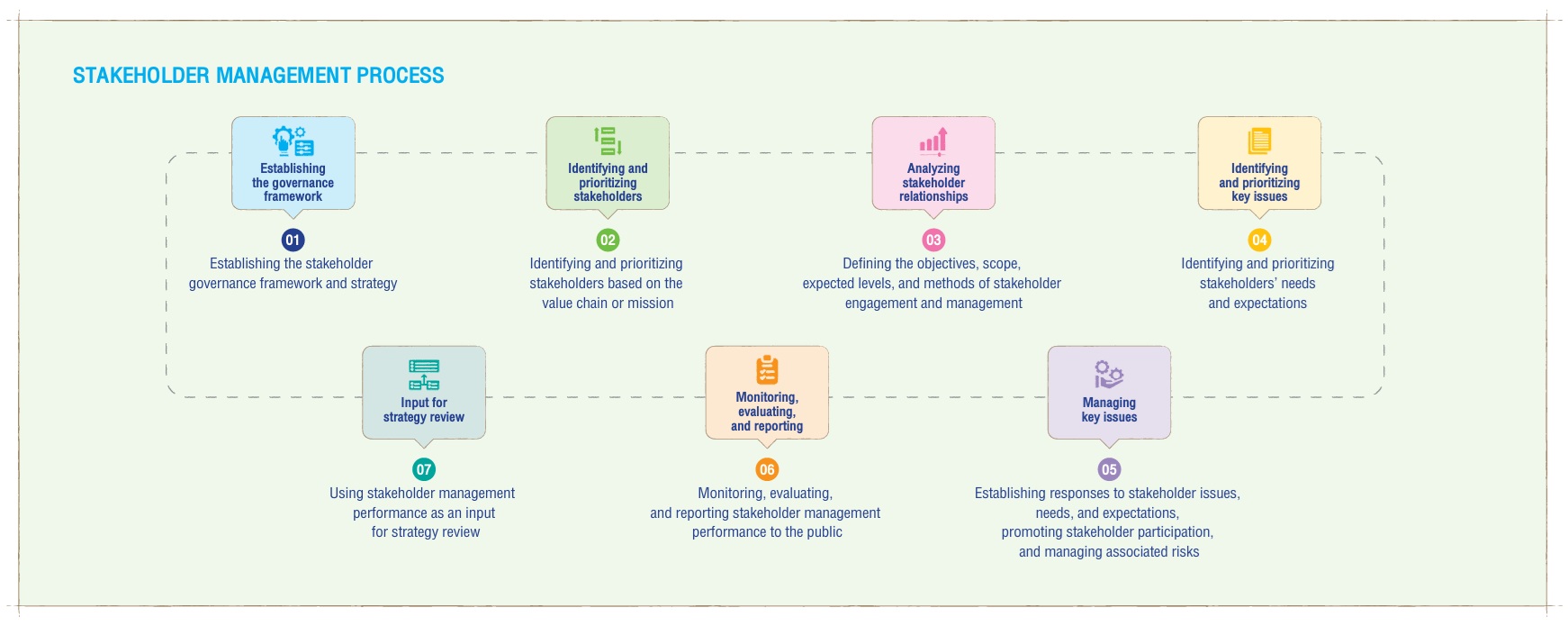
1. Establishing the stakeholder governance framework and strategy
Review governance mechanisms, including policies, practices, roles and responsibilities, management processes, and stakeholder strategies, to ensure effectiveness, while communicating and building understanding among relevant business units on an annual basis
2. Identifying and prioritizing stakeholders based on the value chain or mission
Stakeholders are identified at two levels:
- Organization-wide level, identified by the Sustainability Strategy Division based on EGAT’s roles and responsibilities, value chain, and mission
- Business-unit level, identified by divisional units by considering which stakeholders are associated with each step of their operational processes
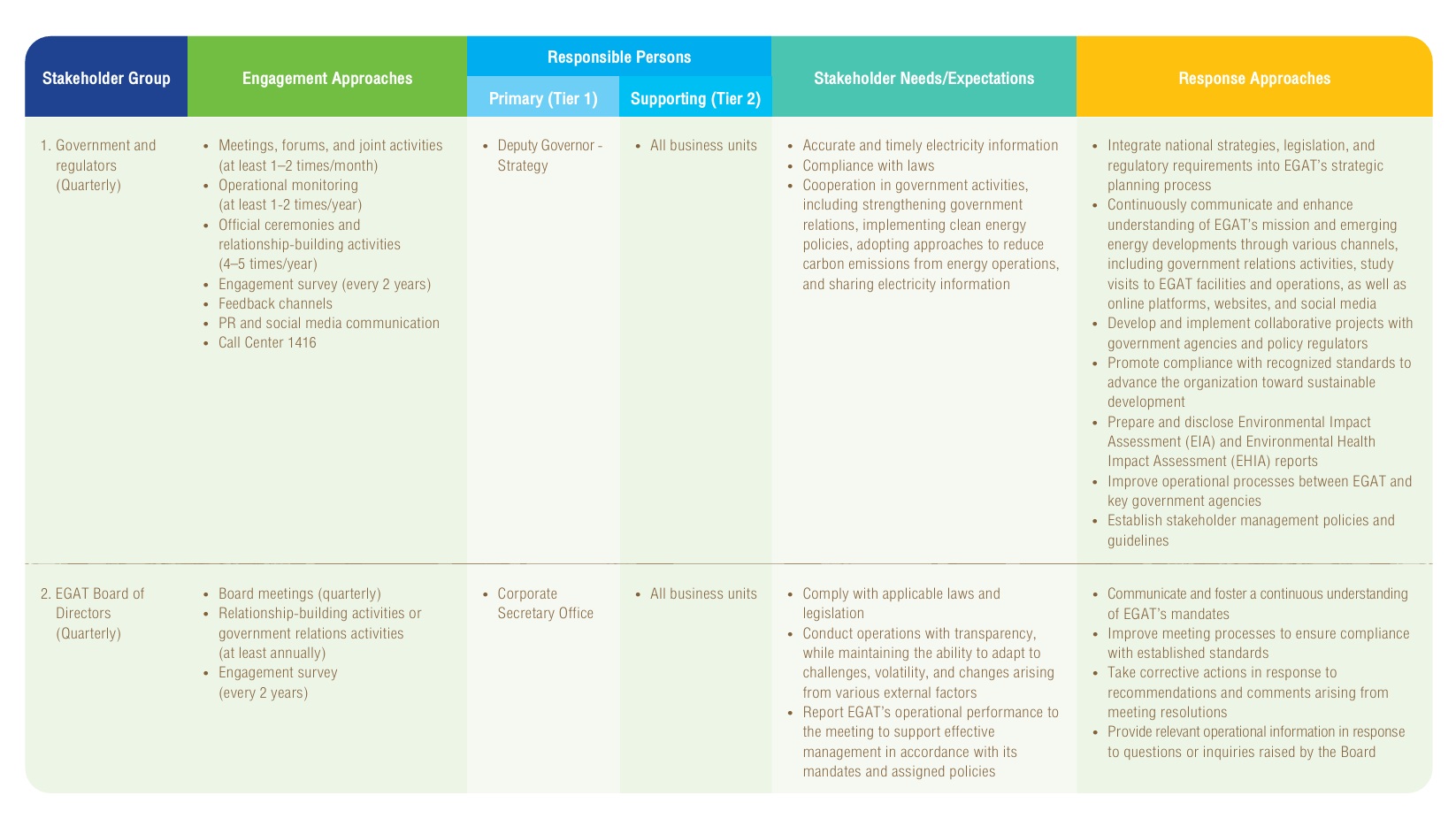
In 2025, EGAT continued to classify organizational stakeholders into 11 groups as follows:
| Stakeholder Group | Definition |
| 1. Government and Regulators | Government agencies or independent organizations responsible for formulating or overseeing energy-related and other policies relevant to EGAT; government agencies or independent organizations responsible for approvals, permits, or coordination required for EGAT’s operations; and EGAT’s shareholder, namely the Ministry of Finance. |
| 2. EGAT Board of Directors | The EGAT Board of Directors and various committees comprising representatives of the Board. |
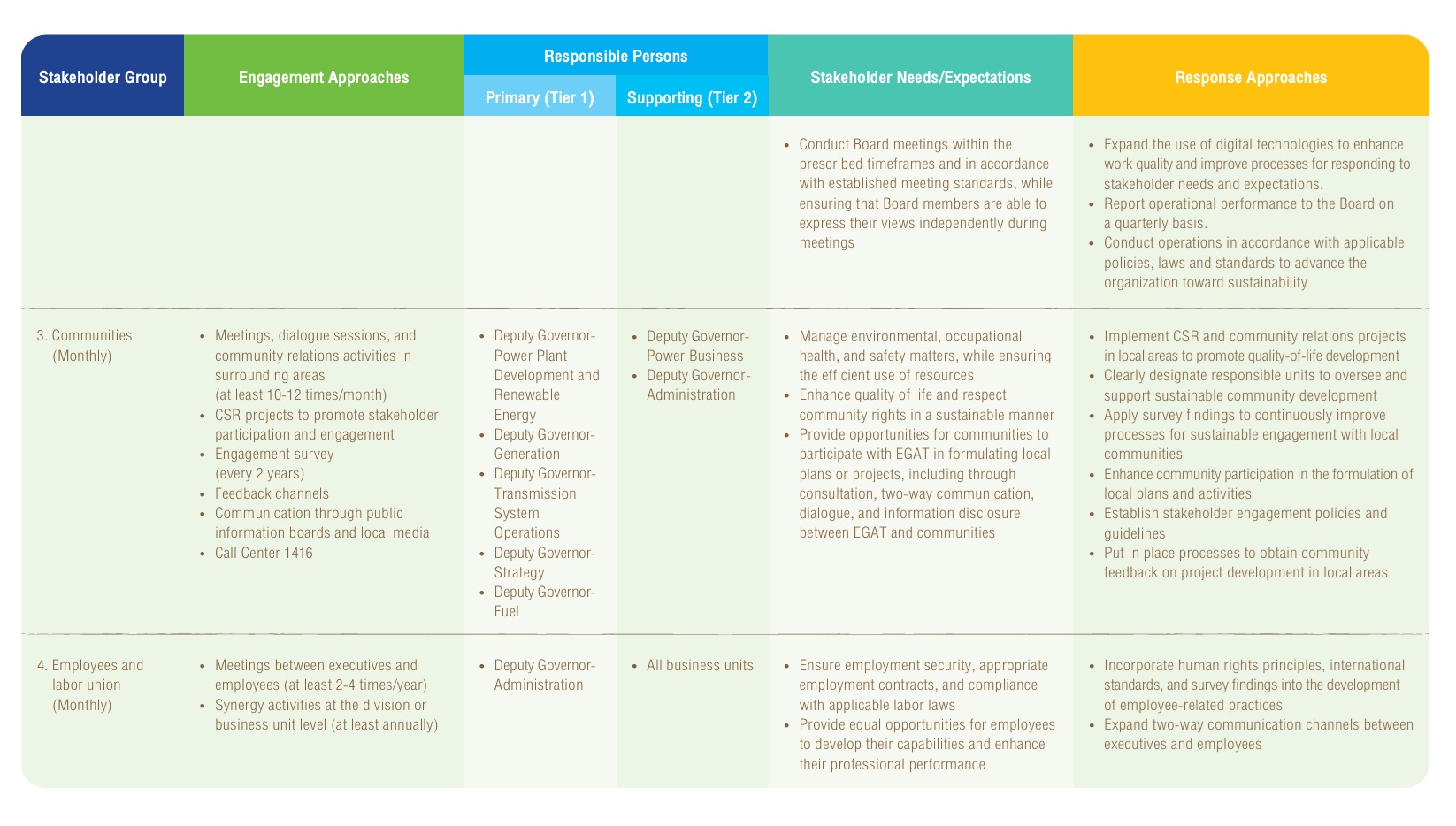
| 3. Communities | Communities surrounding EGAT facilities, transmission systems, and projects, as well as communities associated with EGAT’s key operations; and other key communities defined by EGAT. |
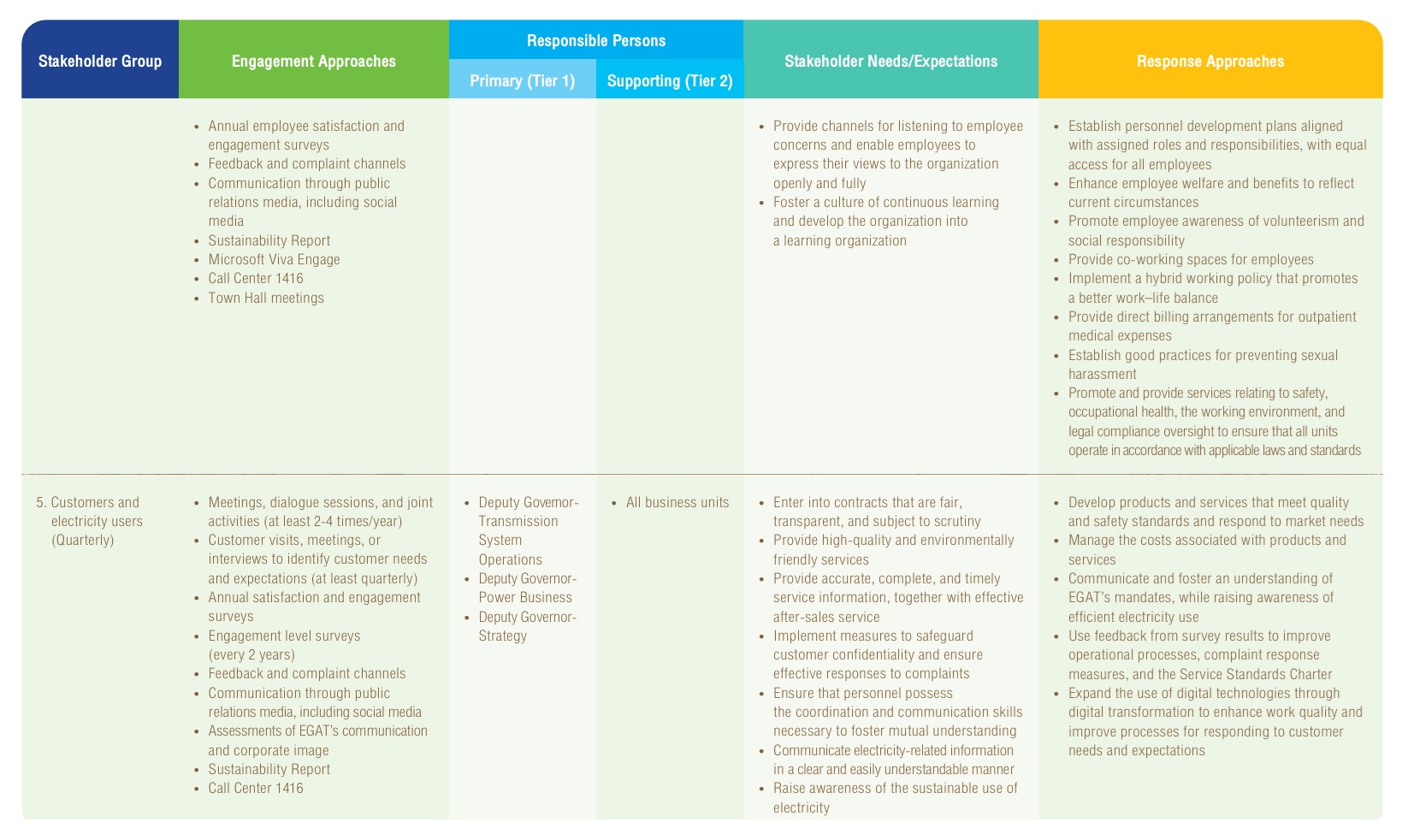
| 4. Employees and Labor Union | Executives, employees, contract employees, labor unions, retirees, former employees, and relevant internal units or working groups of EGAT. |
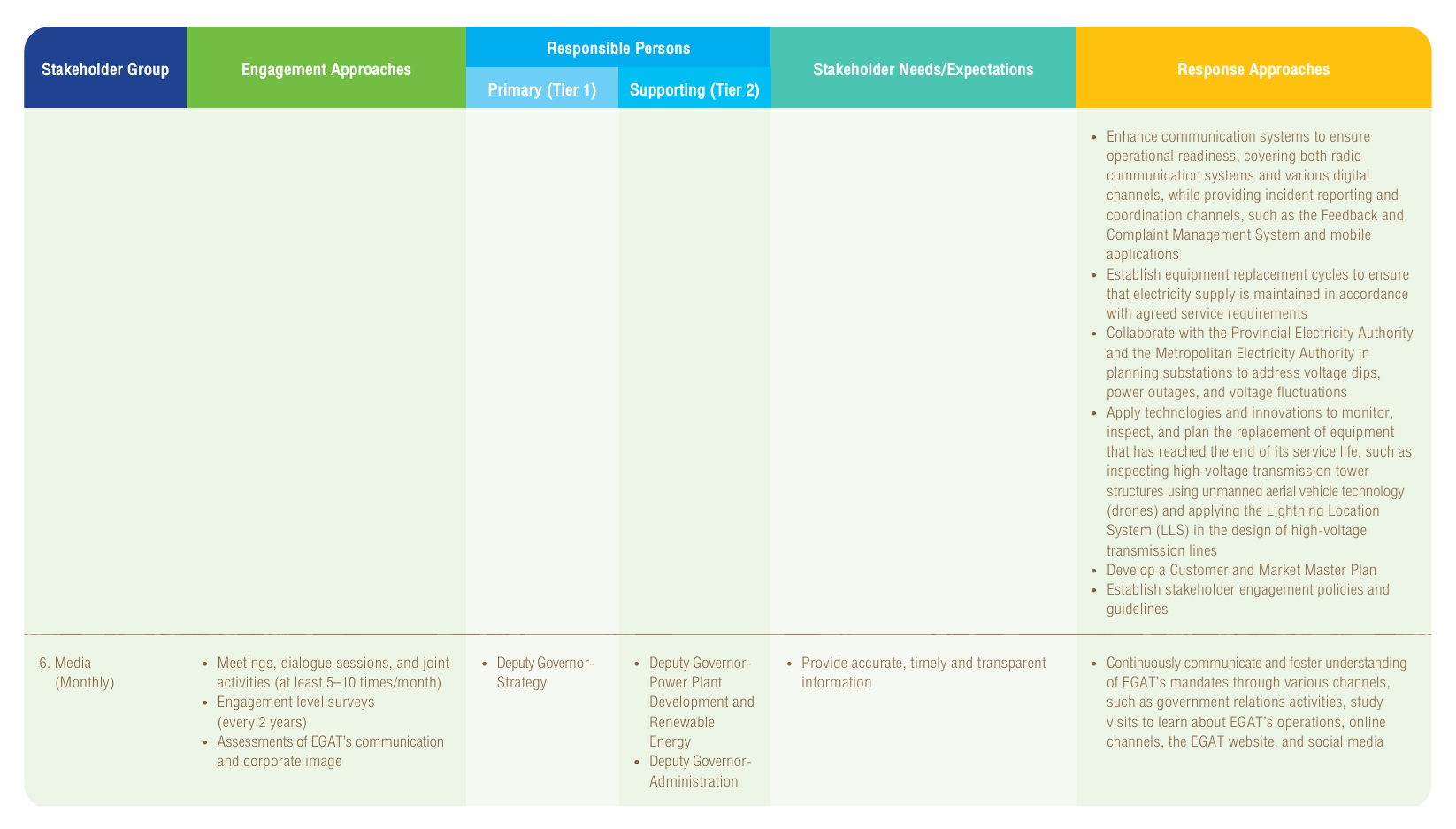
| 5. Customers and Electricity Users | Metropolitan Electricity Authority (MEA), Provincial Electricity Authority (PEA), direct customers under the Royal Decree prescribing electricity users, customers of related and new businesses, electricity consumers, and the general public. |
| 6. Media | Traditional media networks, including newspapers, radio, and television at both national and local levels, as well as social media networks. |
| 7. Business Alliances | Individuals or legal entities serving as suppliers, vendors, contractors, or service providers in electricity generation and transmission businesses, related businesses, and key EGAT missions, as well as cooperation partners in supporting or other missions. |
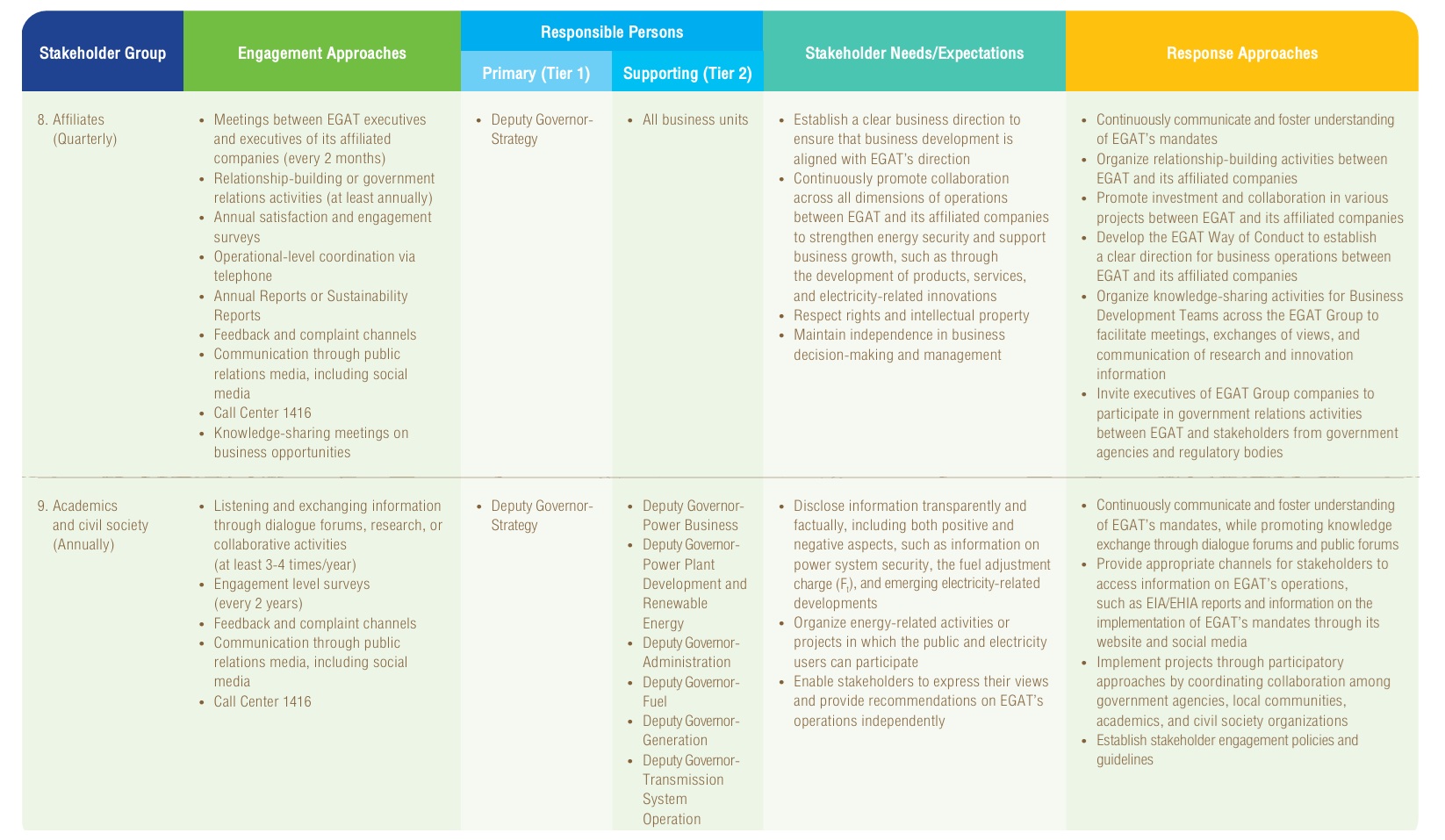
| 8. Affiliates | Subsidiaries, associated companies, or joint ventures in which EGAT directly invests or holds shares. |
| 9. Academics and Civil Society | Thought leaders, influencers, developers, or activist groups that influence EGAT’s operations. |
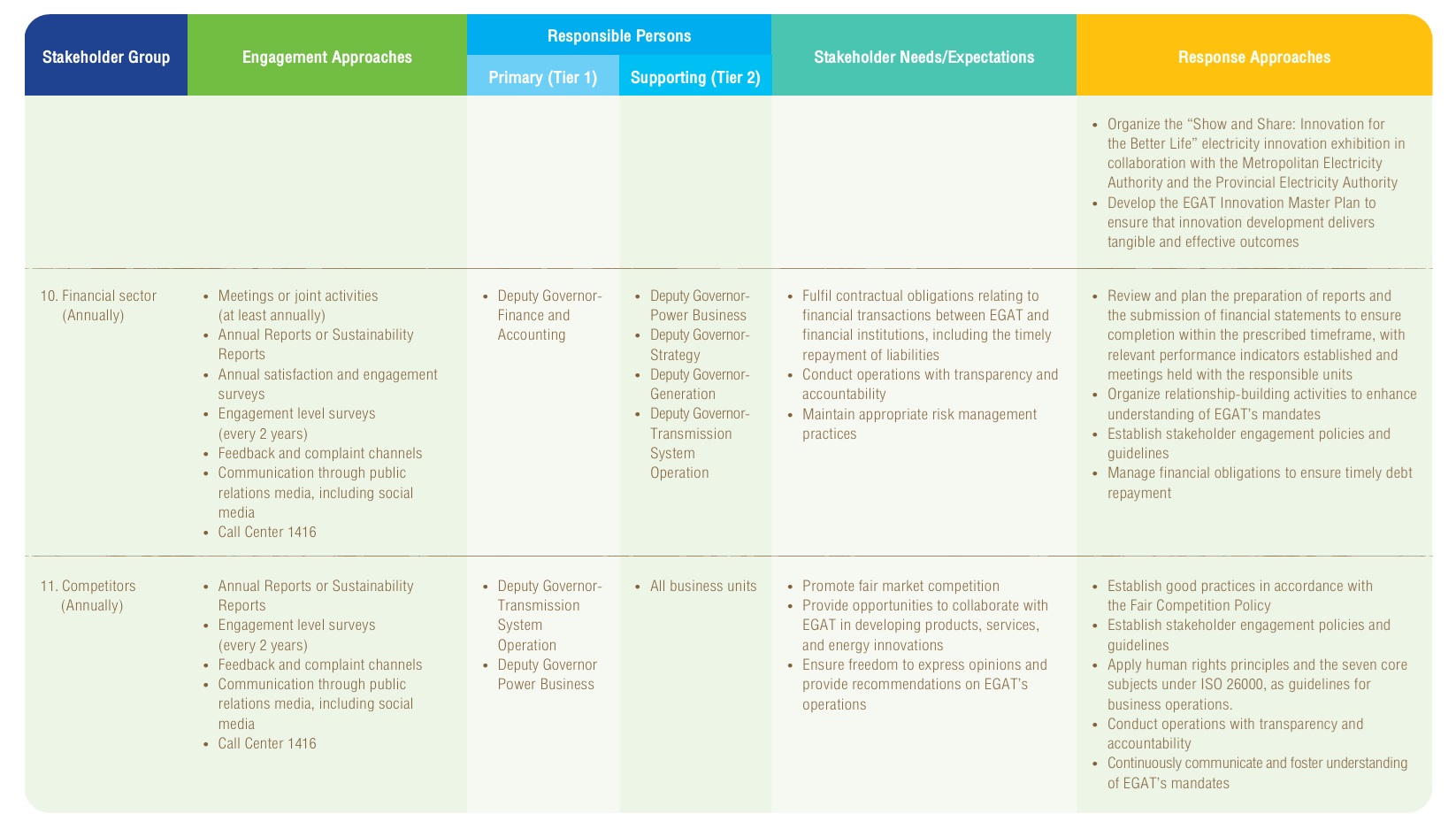
| 10. Financial Institutions | Financial institutions involved in financial transactions with EGAT and creditors. |
| 11. Competitors | Competitors and benchmarking organizations in electricity generation and transmission businesses, related businesses, and EGAT’s new businesses. |
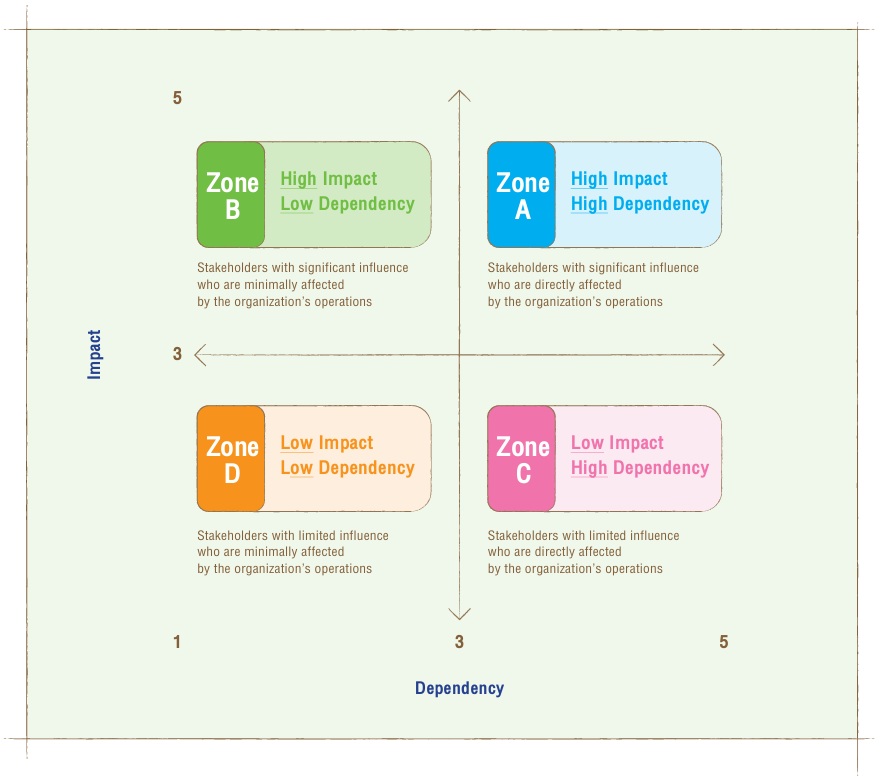
Once stakeholders have been identified, they are prioritized based on criteria assessing the level of stakeholder influence on EGAT’s operations (Impact) and the degree to which stakeholders are affected by or dependent upon EGAT’s operations (Dependency).
3. Defining the objectives and scope of stakeholder engagement
Clearly and systematically define stakeholder engagement objectives, including:
- To listen to and understand stakeholders’ needs, expectations, and concerns
- To foster collaboration and participation in relevant activities for mutually beneficial outcomes
- To continuously and sustainably strengthen relationships and trust between EGAT and its stakeholders
The scope of engagement includes:
- Coverage of relevant stakeholder groups
- Responsible persons for engagement activities
- Frequency and methods of engagement, such as meetings, seminars, and communications through appropriate channels
In addition to considering the context and characteristics of each stakeholder group, EGAT also takes into account other important issues such as language and cultural differences, sub-groups or conflicts within communities, and data collection practices in compliance with the Personal Data Protection Act. EGAT conducts workshops to enhance knowledge, understanding, and skills of employees directly responsible for stakeholder-related work, particularly in issue analysis and stakeholder engagement, to ensure effective engagement and support appropriate and sustainable responses to stakeholder needs.
4. Identifying and prioritizing stakeholders’ needs and expectations
Collect and analyze stakeholder needs and expectations obtained through multiple engagement channels, such as meetings, in-depth interviews, and surveys, to ensure comprehensive representation of all stakeholder perspectives. Issues are then prioritized through the following process:
- Assess impacts and significance using clear criteria to evaluate the effects of each issue on stakeholders and on EGAT, covering economic, social, environmental, and strategic risk dimensions
- Validate the prioritization with management and relevant business units to ensure it accurately reflects stakeholder perspectives and organizational strategy
5. Establishing responses to stakeholders’ needs and expectations and promoting stakeholder participation
Develop approaches to address stakeholder needs and expectations and promote stakeholder participation with EGAT as follows:
- Identify urgent issues requiring immediate action, such as environmental impact management, transparency enhancement, and community development.
- Develop engagement plans that respond to stakeholder needs and expectations to ensure effective implementation and the creation of shared value, with performance indicators aligned with the strategic objectives and strategies of the Stakeholder Management Master Plan.
6. Monitoring, evaluating, and reporting stakeholder performance
Systematically monitor and evaluate performance in responding to stakeholder needs and expectations to ensure that objectives are achieved through the following approaches:
- Establish quantitative and qualitative performance indicators covering implementation outputs and outcomes for stakeholders and the organization, such as satisfaction, engagement, and participation levels.
- Conduct stakeholder engagement surveys every two years to assess stakeholder attitudes and relationships with EGAT. The most recent survey (2024) indicated a very high level of stakeholder engagement, categorized as Supportive engagement, reflecting confidence in and support for EGAT’s operations.
- Analyze monitoring results against established targets and prepare summary reports for continuous improvement of plans and implementation approaches.
- Report stakeholder management performance to the Governance and Sustainability Committee for recommendations and disclose information to the
| Indicators | 2025 | 2024 | 2023 | 2022 |
| Percentage of stakeholder issues (key issues) that were managed | 100% | 85.71% | 87.88 | 47.61%* |
| Stakeholder engagement level | – | 59.00% | – | 53.22% |
* The percentage of stakeholder issues that were managed during 2020 – 2022 is reported from 2022 onwards, as EGAT initiated the implementation of its stakeholder issue management plan in 2022.
7. Using Stakeholder Performance Results as an Input for Strategy Review
Use performance results, together with stakeholders’ needs, expectations, and recommendations, to review and improve all operational processes. Such information is also used as an input for developing strategies under the Stakeholder Management Master Plan to ensure that stakeholder management remains aligned with the evolving context.