

Deputy PM and Minister of Energy hastens the study of CCS in Mae Moh Mine, moving toward Carbon Neutrality by 2050 concretely
14 November 2022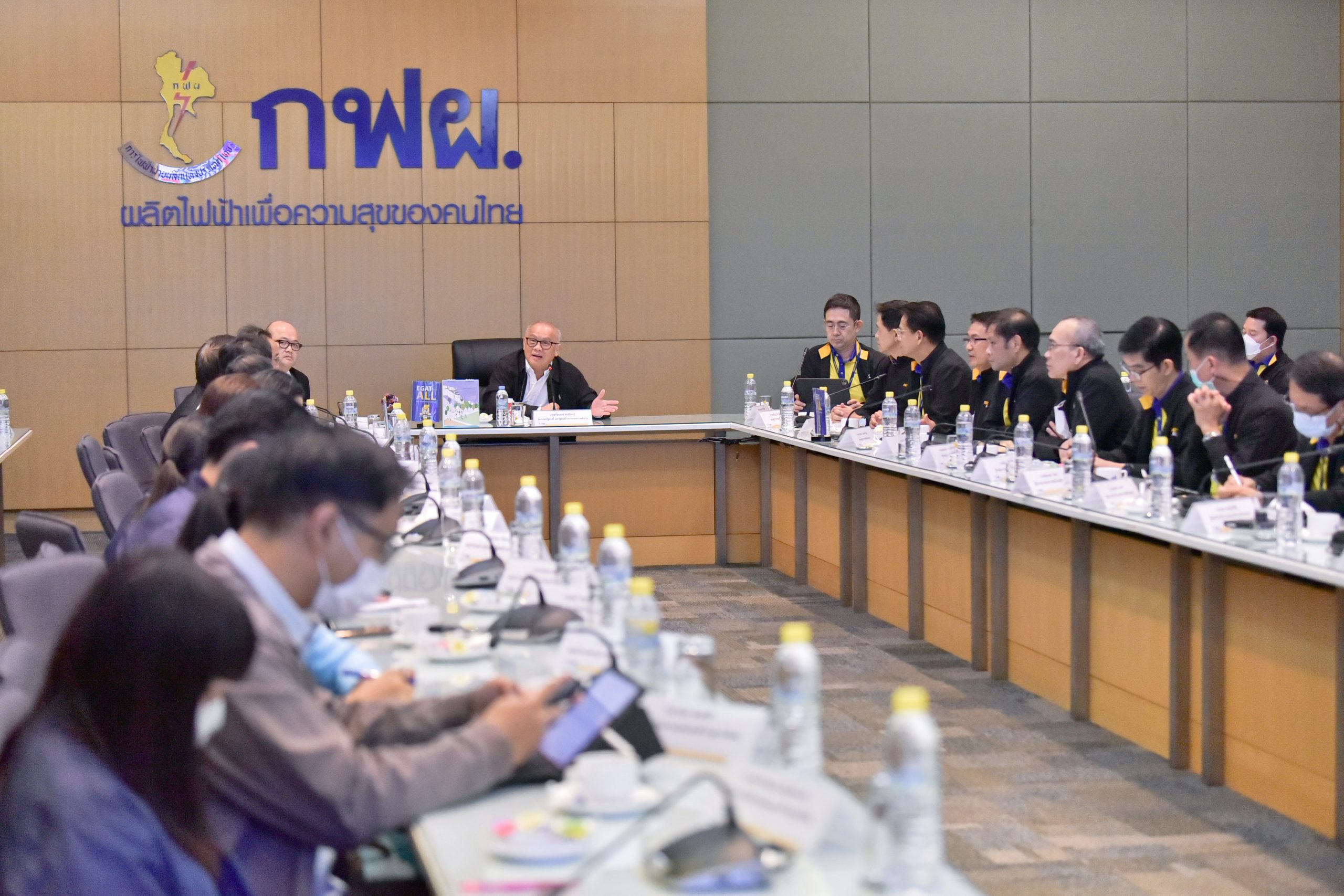
On November 11, 2022, Mr. Supattanapong Punmeechaow, Deputy Prime Minister and Minister of Energy; Director General, Department of Mineral Fuels (DMF); and representatives from PTT Exploration and Production PCL (PTTEP) paid a visit and attended a meeting to follow up the operation of Mae Moh Mine of Electricity Generating Authority of Thailand (EGAT), at EGAT Mae Moh, Mae Moh District, Lampang Province. On this occasion, Mr. Boonyanit Wongrukmit, EGAT Governor and senior executives gave them a warm welcome and presented EGAT operation progress, including the possibility and potential in reducing CO2 emissions and storing CO2 in the deep rock layer under Mae Moh Mine and the re-commissioning of Mae Moh Power Plant, Unit 4 to tackle with the energy crisis.
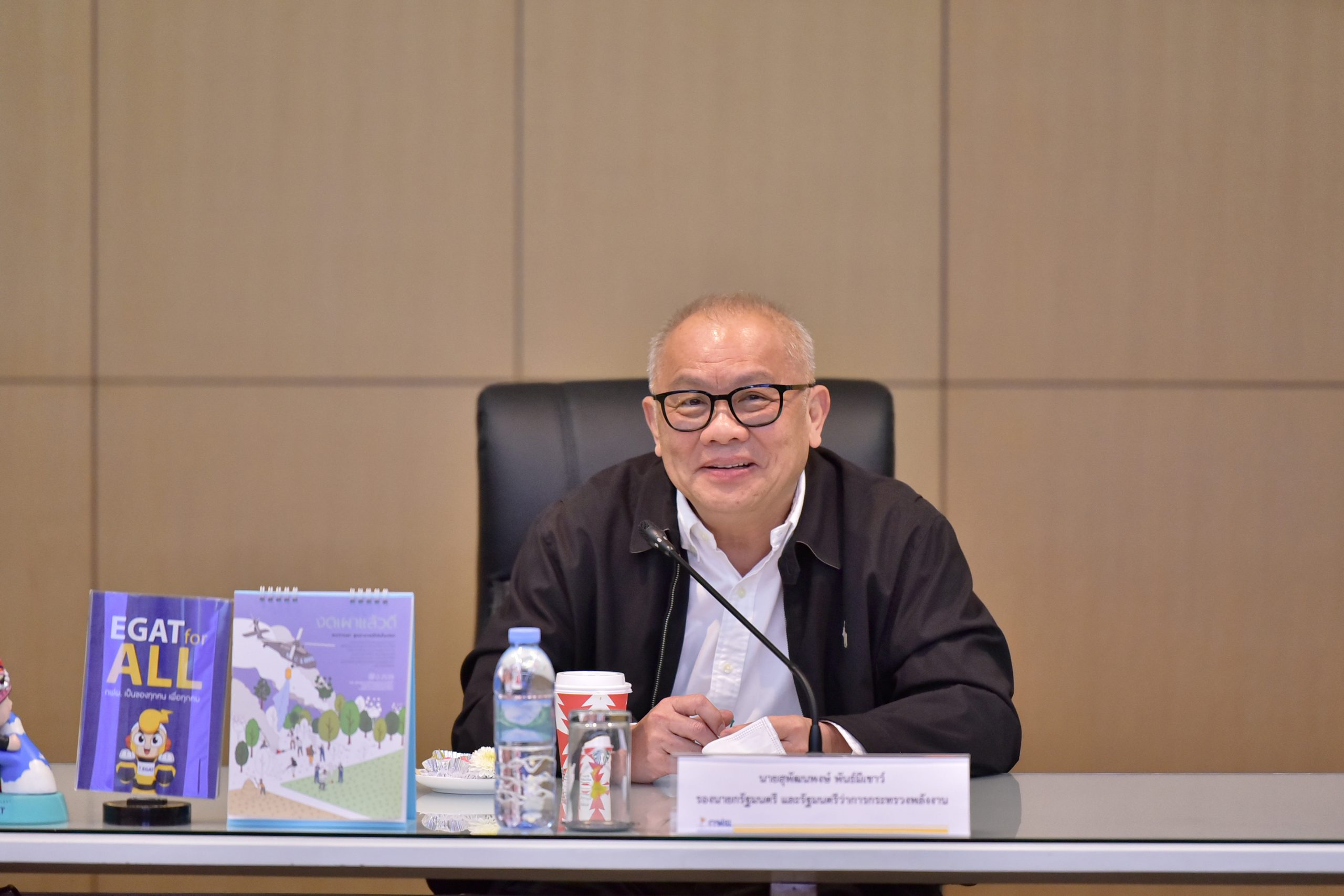
Deputy Prime Minister and Minister of Energy said that EGAT Mae Moh has the potential to become a clean-energy industrial city and develop Carbon Capture Storage (CCS). He has assigned DPM, PTTEP, and EGAT to complete the preliminary study within January 2023. He also urged all sectors to exchange information to make the CCS possible at reasonable price, leading to Mae Moh Power Plant’s continual operation in line with the national direction and policy. Besides, he assigned the three organizations to prepare the study of CCS at Nam Phong Power Plant, Khon Kaen Province, aiming to develop new products with economic value in the future.
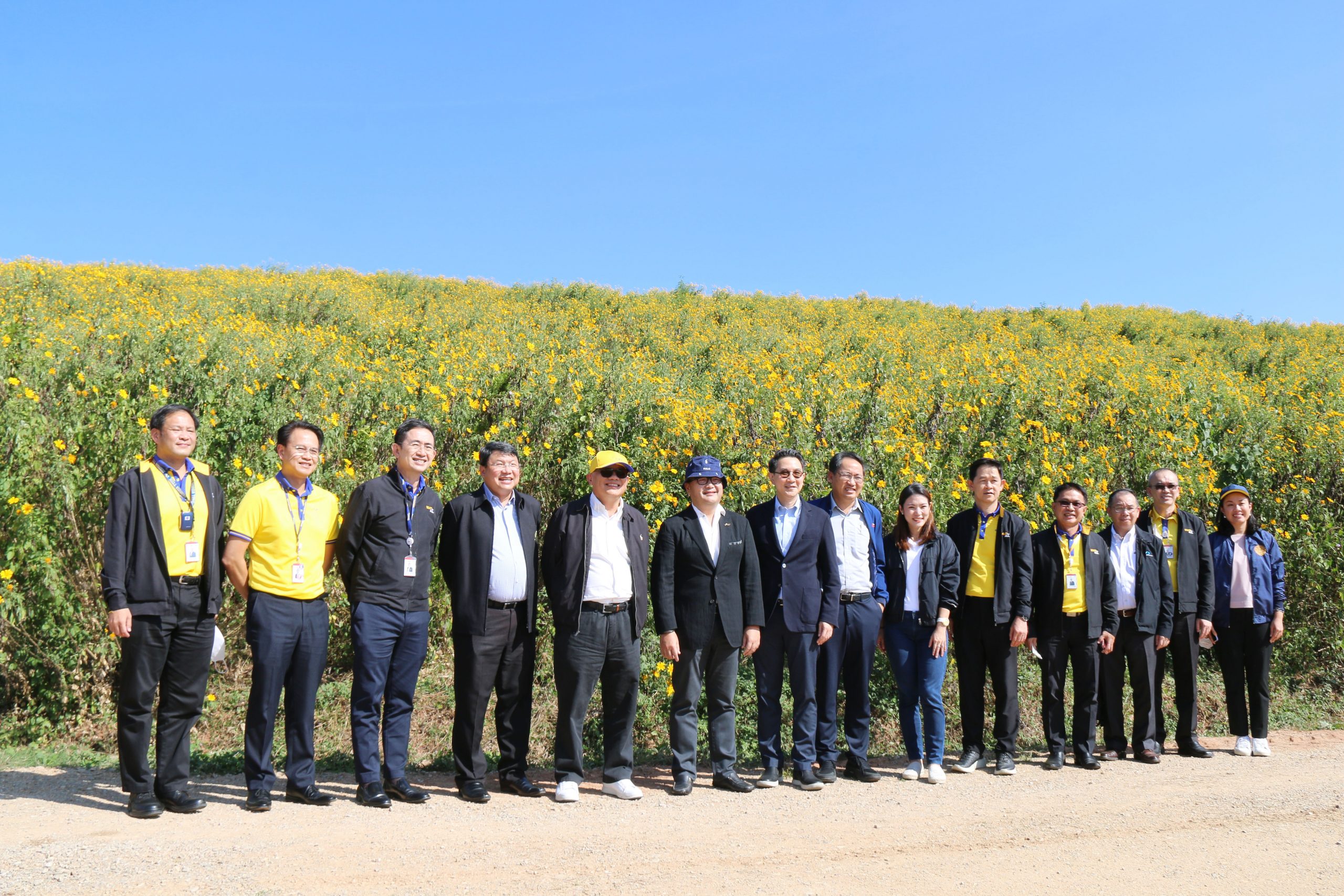

For the progress of re-commissioning of Mae Moh Power Plant, Unit 4, it is scheduled to start a commercial operation on December 1, 2022, to lessen the import of expensive fuel.

Moreover, EGAT has carried out the Biomass Co-Firing Project using compressed agricultural waste as fuel for Mae Moh Power Plant, Units 12 and 13, the first power plants in Thailand with a combustion system combining coal with biomass. The project can lower coal usage and agricultural waste burning, resulting in less PM2.5 and CO2 emissions; while increasing the income for the nearby communities from selling agricultural waste.