

Social Enterprise
Social Enterprise (SE) involves operating a business that creates positive impact on the society, environment, or economy, coupled with creating profit for the business and stakeholders in order to grow sustainably. The Electricity Generating Authority of Thailand (EGAT), as a state enterprise aiming to develop the community, society, and environment while generating and supplying electricity sustainably, has been supporting SE through various projects, namely:
- Community Enterprise Cultivation Project: Support the communities around the power plants to develop products or services that meet the demands of the market and customers, as well as provide knowledge in academics, management, marketing, and finance so that the community can be self-sufficient
- Energy Project Development for Society: Promote alternative energy to communities, such as floating solar projects or biomass, and support basic infrastructure to help reduce the community’s energy cost
- Cooperation Network Building with SE Associates: Cooperate with public and private sectors and non-profit organizations to develop SE projects that solve social issues as well as promote SE products and services through various channels
- Project Development to Create Occupations and Income for the Community: Promote SE entrepreneurs that prioritize hiring locals as well as give support to training and improvement of community product standards
EGAT’s SE Operational Plan
EGAT strives to build long-term sustainability by supporting the community to grow alongside the development of the economy and environment. EGAT’s SE Operational Plan, designed to support economic development in communities surrounding its power plants and dams, is divided into three phases:
- Short-term Plan (1-2 Years): Build understanding of SE, survey the potential of the area to begin development of the pilot project concretely
- Medium-term Plan (3-5 Years): Increase number of SEs in communities surrounding power plants, promote self-sufficiency of SEs to be competitive in the market, expand cooperation networks with other sectors
- Long-term Plan (5-10 Years): Develop self-sufficient SEs that can grow sustainably, expand the project across the country, develop cooperation models to be templates for other organizations

EGAT’s Outstanding SE Projects
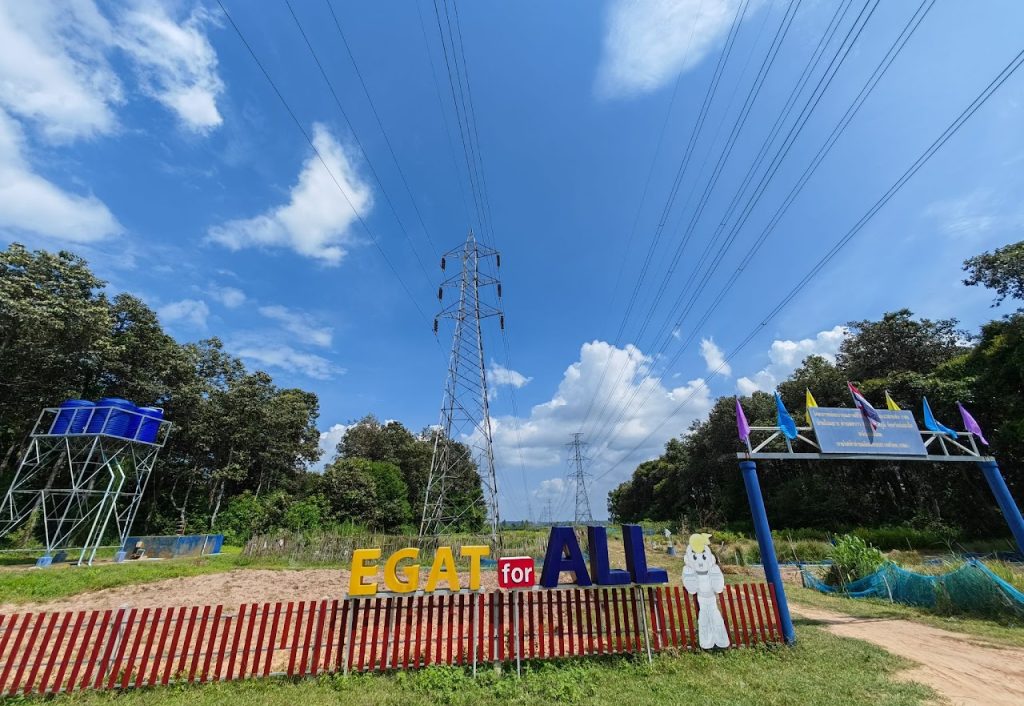
EGAT has implemented SE projects in various locations nationwide with operational guidelines consistent with the potential and demands of each community. Some of EGAT’s Outstanding SE Projects include:
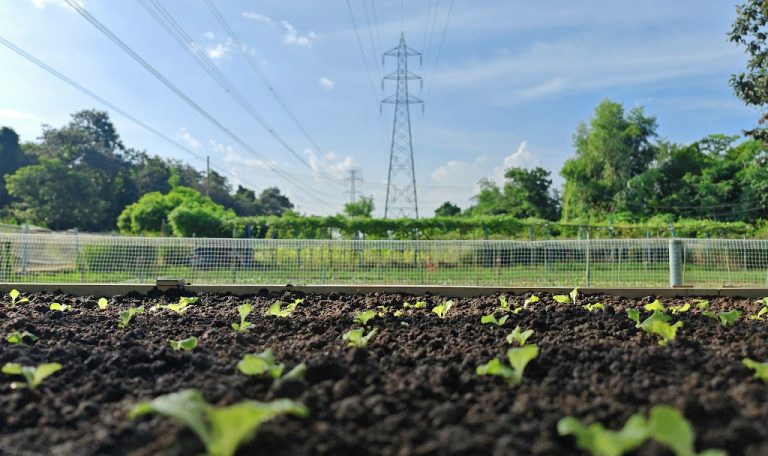
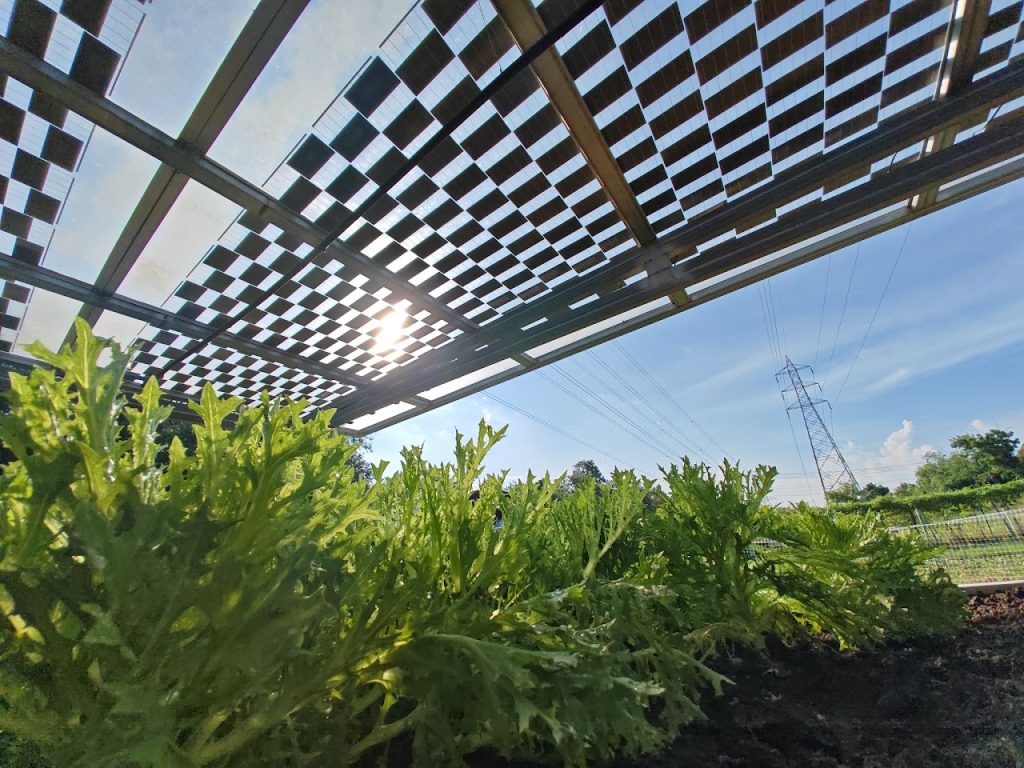
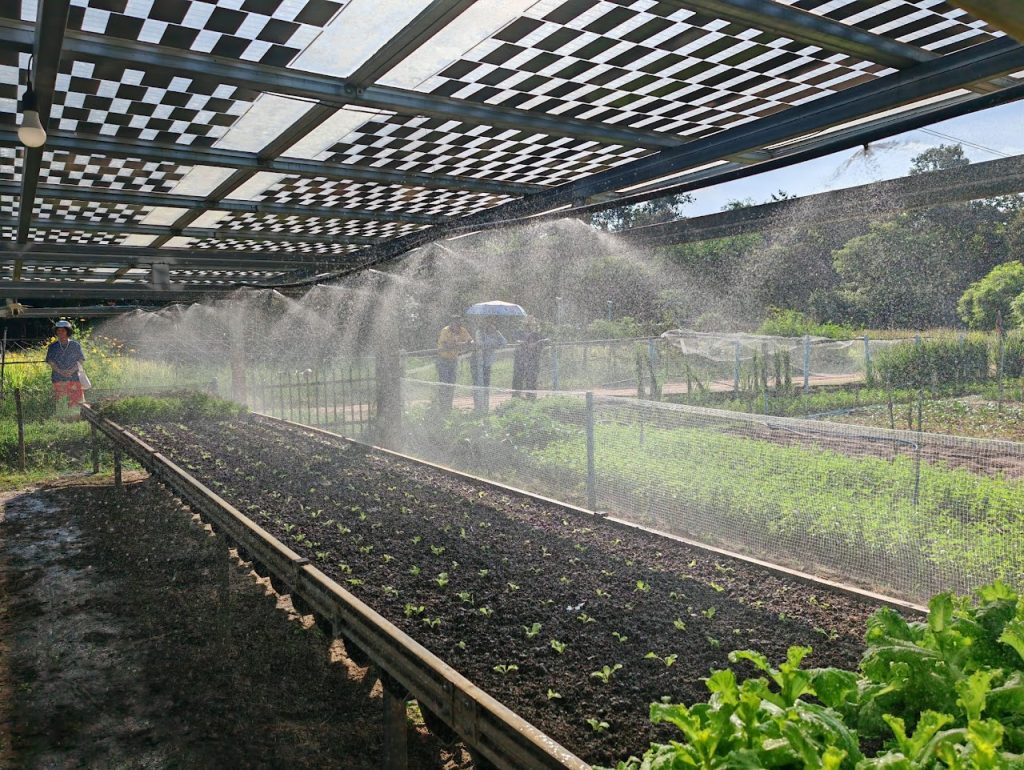
Project of Farmers Growing Vegetables under Transmission Lines at Ban Non Yang in Selaphum District, Roi Et Province: This project is a cooperation between EGAT, Office of Social Enterprise Promotion (OSEP), and Rajamangala University of Technology Isan to promote growing vegetables under transmission lines in order to make use of the area for maximum benefit. The project uses Solar Sharing innovation, which applies a semi-transparent solar cell system coupled with precision agriculture to increase production efficiency. Kale is also being processed to add value and create extra income for the community.
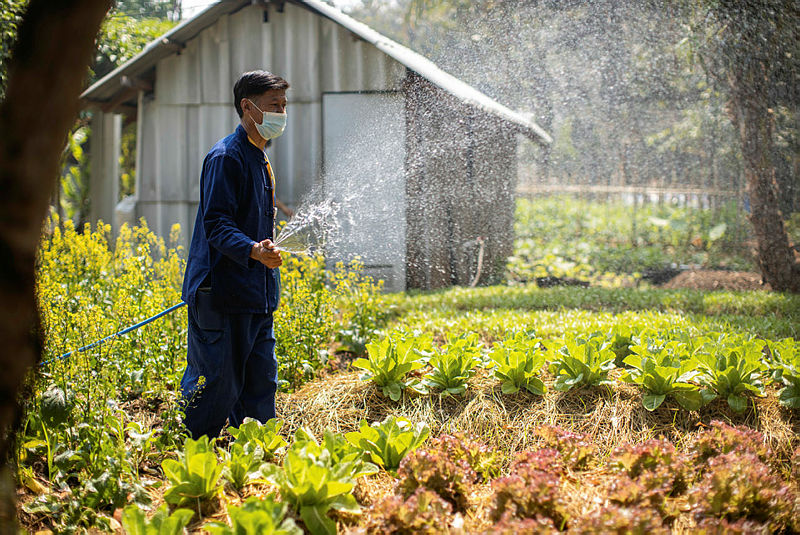
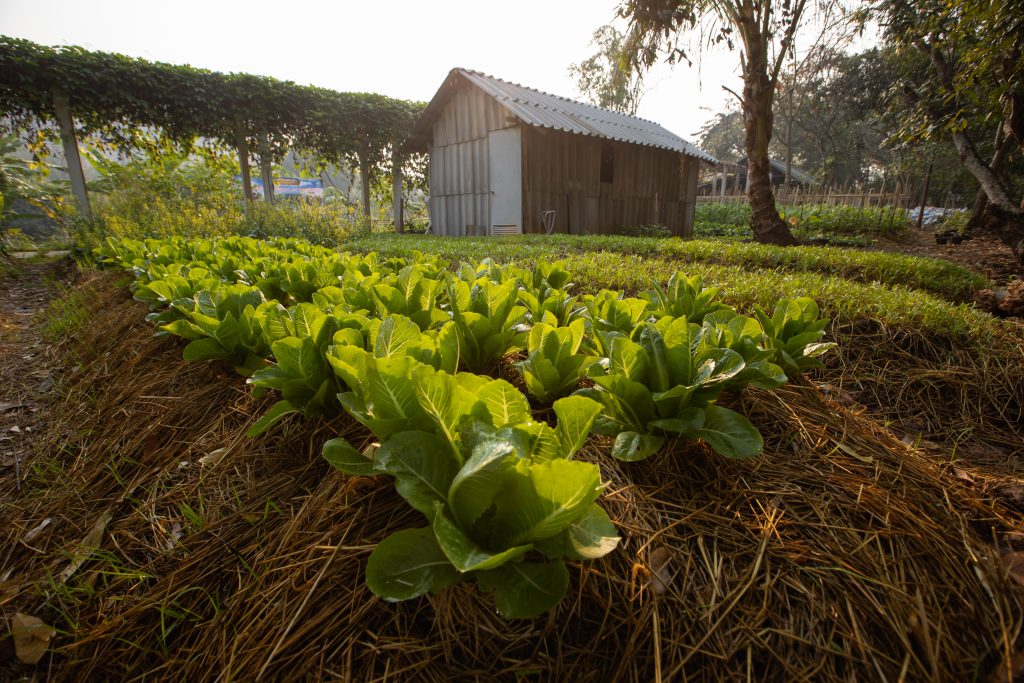
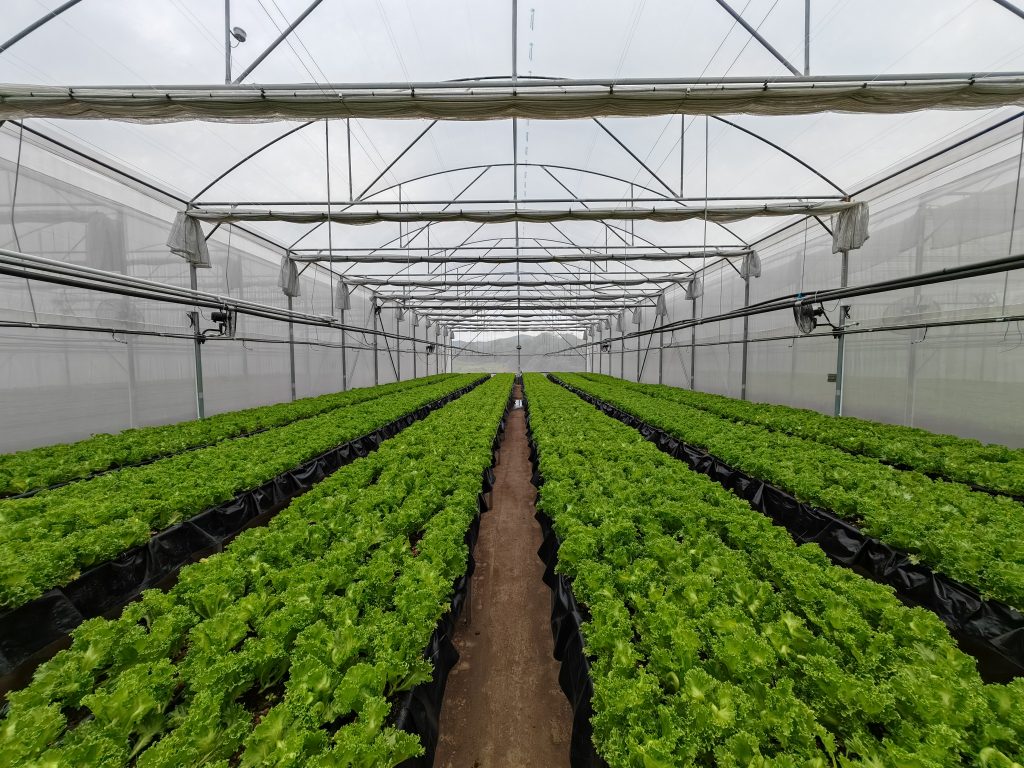
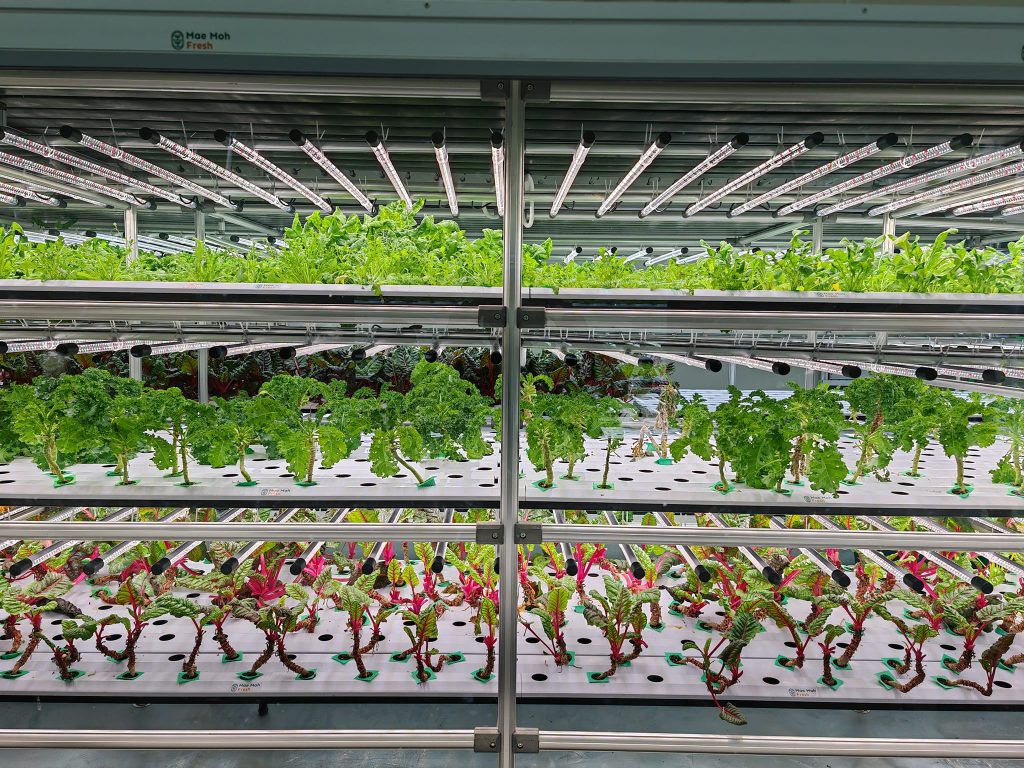
Project of Mae Moh Agricultural Community Settlement in Mae Moh District, Lampang Province: This project aims to create jobs and income for the community, coupled with developing a green industrial city by promoting organic vegetable cultivation in greenhouses. By cooperating with community enterprises and entrepreneurs, the project helps develop a business ecosystem for the society and prepares the community for a sustainable operation.
Project of Biological Way of Life for Sustainable Development at Ban Dong Rueang in Nong Mek Sub-district, Nong Han District, Udon Thani Province and at Ban Sai Yoi in Sai Yoi Sub-district, Den Chai District, Phrae Province: This project is a cooperation between EGAT and Office of the Vocational Education Commission (OVEC) and has been implemented for over 20 years. It encourages the community to apply Sufficiency Economy Philosophy to their lifestyles as well as agriculture. The project also aims to upgrade model Biological Way of Life communities that have potential to be registered as community enterprises.
Moreover, EGAT has implemented SE projects in other communities across the country and has adjusted the model to be consistent with the context and demands of each community in order to raise the quality of life and build sustainability for the community concretely. However, EGAT is determined to develop SE to be a sustainable business model that is more than a CSR project by using technology and innovation to increase efficiency, as well as develop partnership networks to expand SE projects sustainably.