

“2 Players, Distinct Roles,” Empowering Power System in Clean Energy Era
22 April 2026
It is widely recognized that renewable energy benefits the world as it generates electricity without emissions. However, an often-overlooked aspect is its intermittency. Without sunlight, wind, or water, electricity generation is not possible. Consequently, the Electricity Generating Authority of Thailand (EGAT), as a utility responsible for ensuring the nation’s power system security, has integrated diverse energy innovations to enable seamless and secure clean energy supply for all Thais.
When renewable energy is unable to generate electricity, Energy Storage Systems (ESS) play a critical role by supplying power to the grid immediately. Even a second of shortfall can disrupt the power system and potentially result in widespread outages. Battery Energy Storage System (BESS) and Pumped-Storage Hydropower (PSH) are two technologies that EGAT has adopted, each serving distinct roles while working together on the same power system team.
BESS, Power in the Blink of an Eye
BESS is the most widely recognized form of energy storage, functioning like a power bank for mobile devices but only scaled up for grid application. It stores large amounts of electricity for dispatch during periods of demand. The most commonly used BESS utilizes lithium-ion batteries, installed in air-conditioned container units to maintain temperatures. From the outside, it resembles a large “energy box” requiring little installation space and typically has a lifespan of around 10 to 15 years.
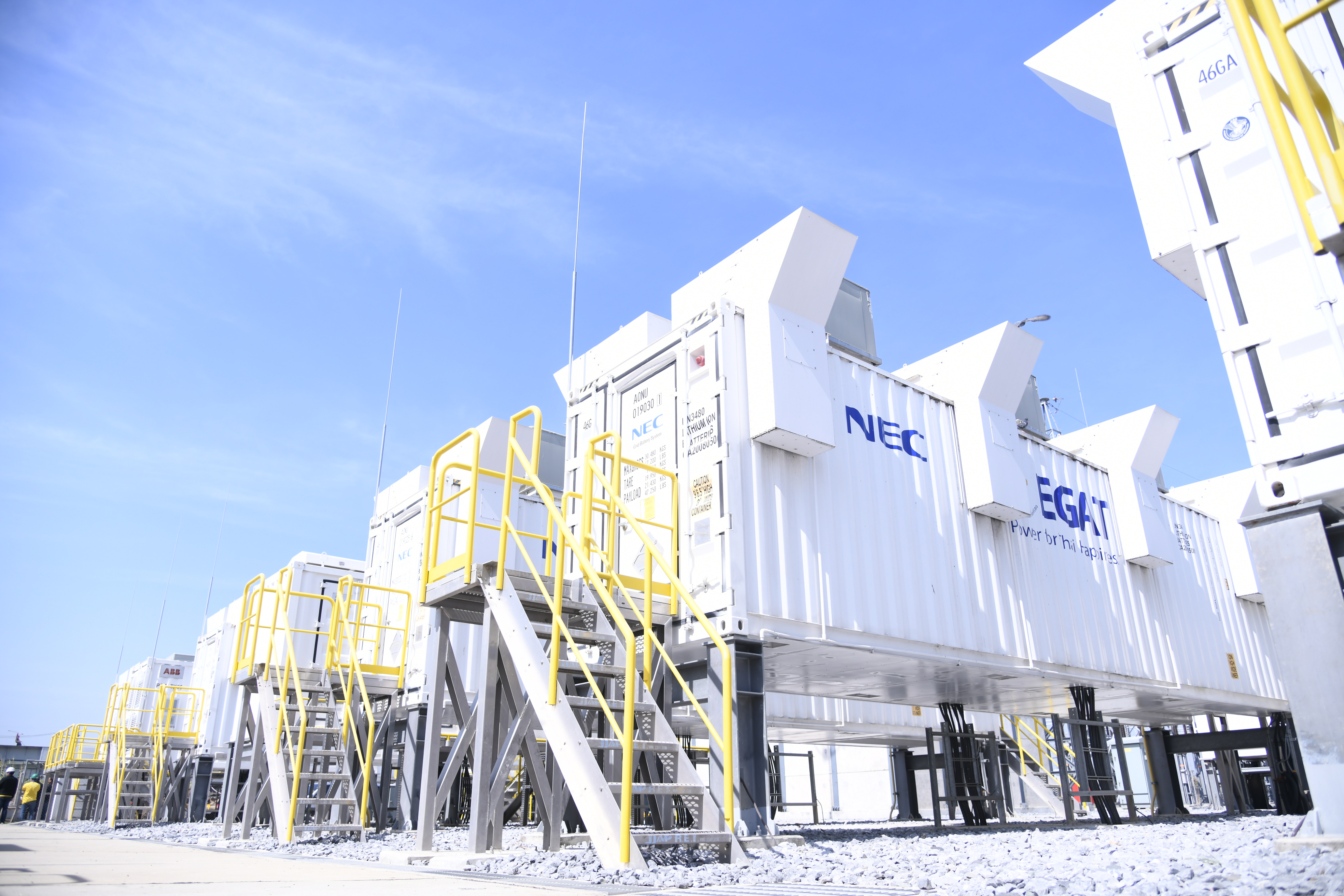
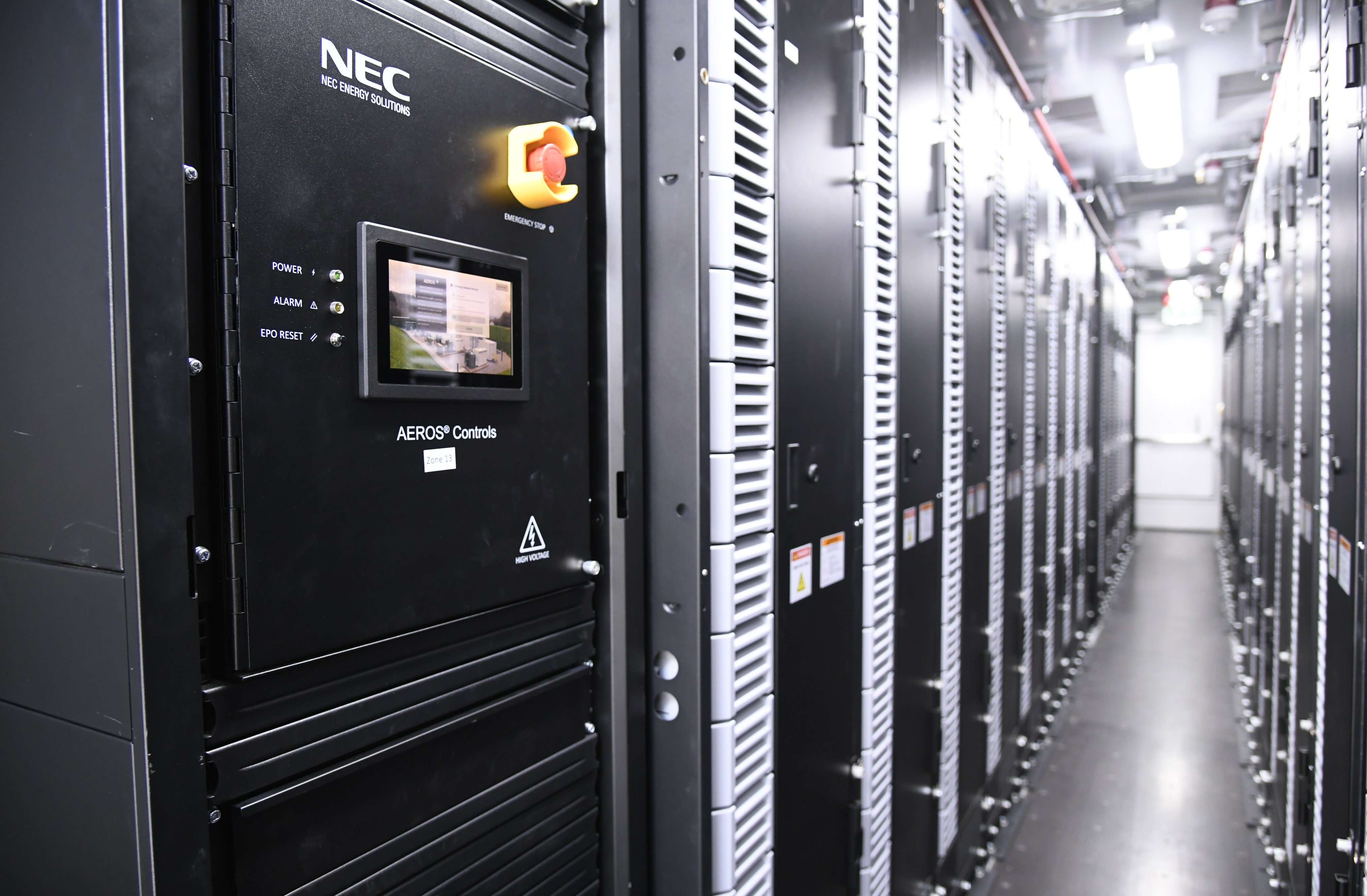
What makes BESS a critical component of modern power systems is its rapid response capability. It can precisely control the charging and discharging of energy within milliseconds (ms), enabling immediate power supply into the grid when demand rises or when renewable energy sources are unable to generate electricity.
BESS contributes to the power system in several ways. 1) Energy Shifting: storing electricity during periods of high generation or low demand, such as in sunny midday hours, and discharging electricity during peak demand. 2) RE Power Smoothing: reducing power fluctuations from renewable sources to ensure a more stable and continuous power supply. 3) Frequency Regulation: controlling system frequency within standard limits to prevent grid equipment damage. And 4) Transmission Congestion Management: reducing transmission congestion or optimizing power flows to prevent system overloads.
PSH, Massive Hydro Battery that Never Runs Dry
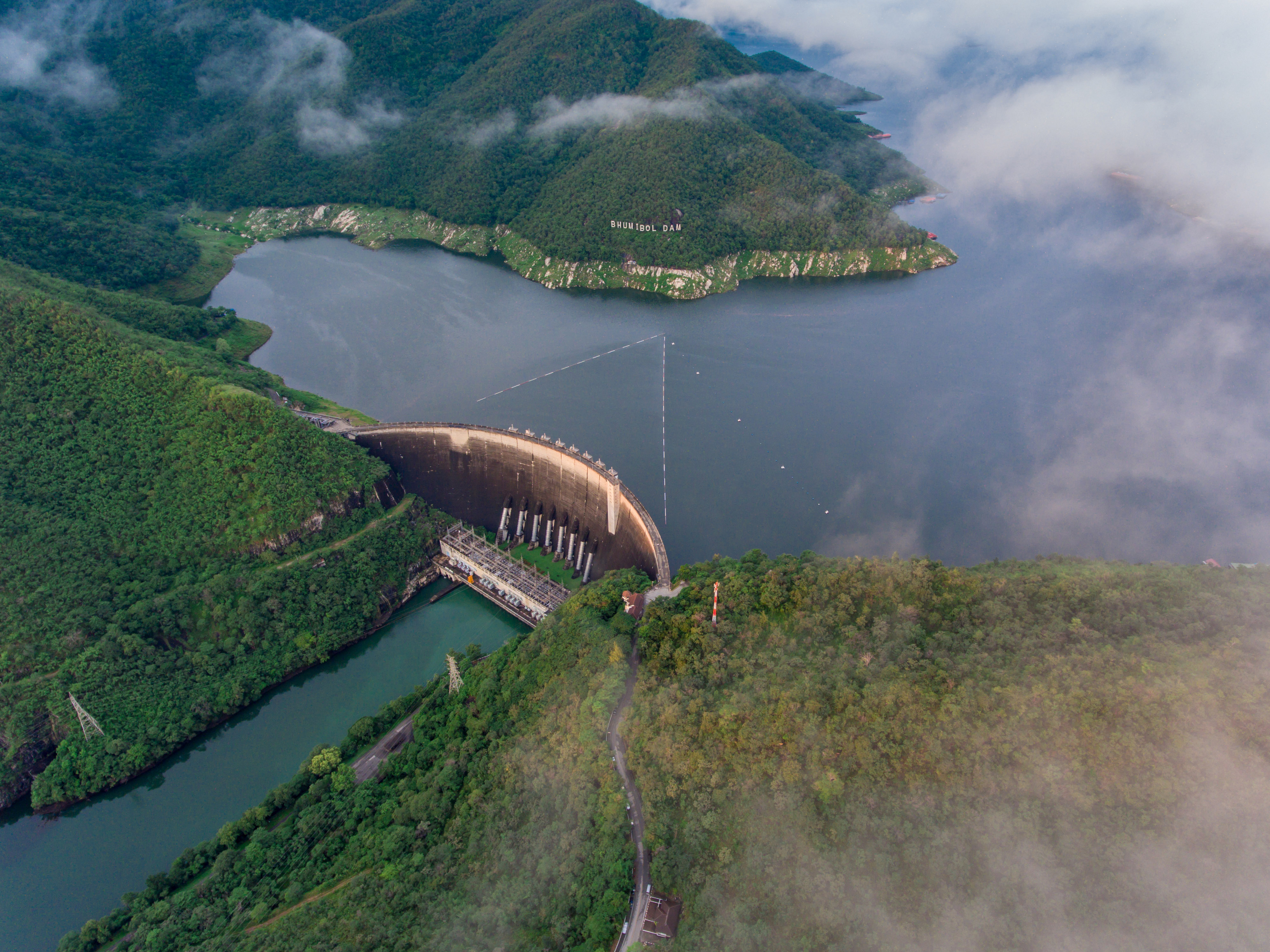
PSH serves as a large-scale ESS for power systems, storing and supplying electricity when needed. This technology is recognized for its high efficiency and has been deployed widely in over 300 countries worldwide.
PSH operates by converting the potential energy of water into electricity through water transfers between two reservoirs at different elevations, an upper and a lower reservoir. During periods of low power demand or surplus generation, excess electricity is utilized to pump water from the lower reservoir to store in the upper reservoir, like “charging a battery.” When demand increases or renewable generation declines, the water is released from the upper reservoir through turbines to generate electricity, like “battery discharge.”
One of the main features of PSH is its ability to store large amounts of energy and to generate electricity continuously for several hours. It is also cost-effective as it requires no fuel and relies on water, a renewable natural resource. Moreover, with a rapid response of approximately 5-15 minutes, PSH can effectively support grid operations during emergency conditions and reduce the impact of renewable energy fluctuations. With its large-scale energy storage capacity, competitive generation costs, and low environmental impact, PSH becomes an essential infrastructure that enhances power system security and supports the sustainable increase of renewable energy in power systems.

Driving Thailand’s Sustainable Energy Future
BESS and PHS play pivotal roles in the ESS implemented by EGAT to tackle the intermittency of renewable energy and enhance power system security. With distinct yet complementary positions, these technologies work in synergy to integrate diverse energy storage solutions for increasing grid flexibility and supporting grid modernization, driving a seamless transition toward clean energy.
The advancement of these technologies extends beyond energy innovation; it represents a vital mechanism for driving Thailand toward its Net Zero Emissions target. By fostering a low-carbon society and strengthening long-term energy sustainability, these developments are instrumental in shaping the country’s future energy landscape.