How is Thailand Handling the New Wave of Energy Crisis?
8 May 2026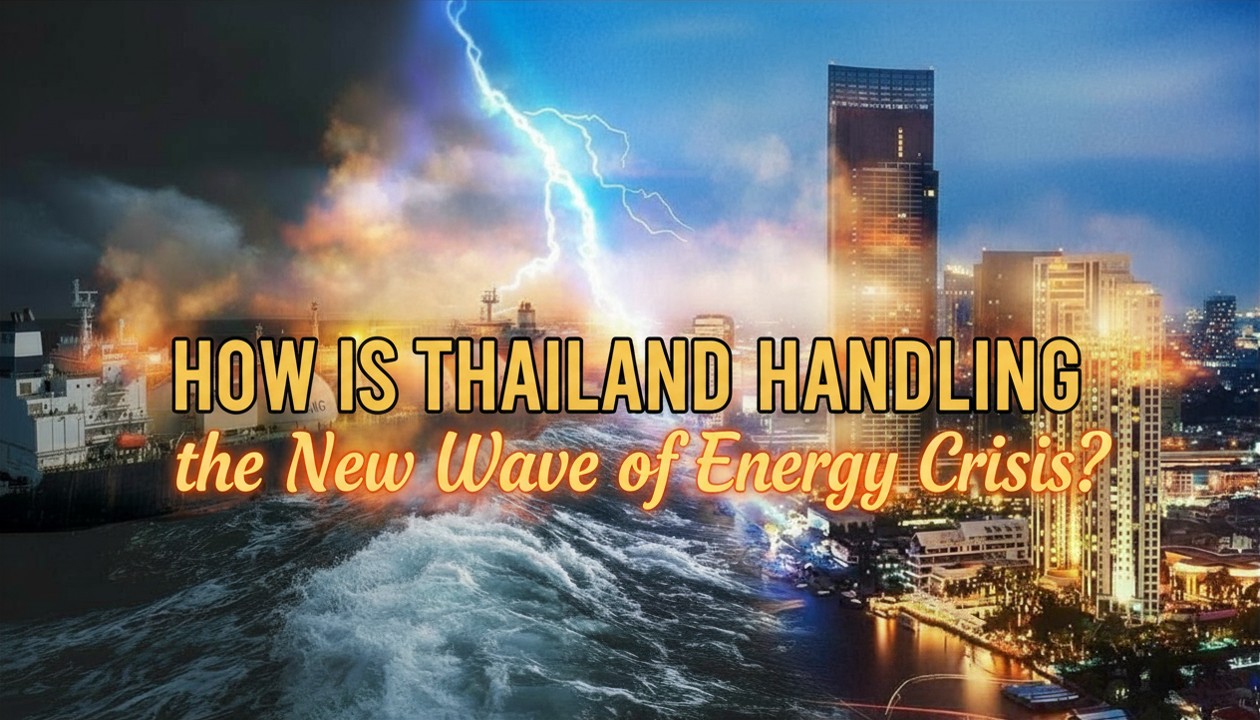
The conflict in the Middle East immediately triggered a global energy crisis as soon as Iran announced the closure of the Strait of Hormuz. This is because the energy transportation route, which accounts for about 20% or over one-fifth of the world’s energy consumption including oil and liquefied natural gas (LNG), has been blocked. For Thailand, the situation affects not only the price of oil in the transportation sector but also that of LNG, a crucial fuel for electricity generation. Consequently, questions are being raised about future electricity prices and the sufficiency of fuel for maintaining the country’s power system security.
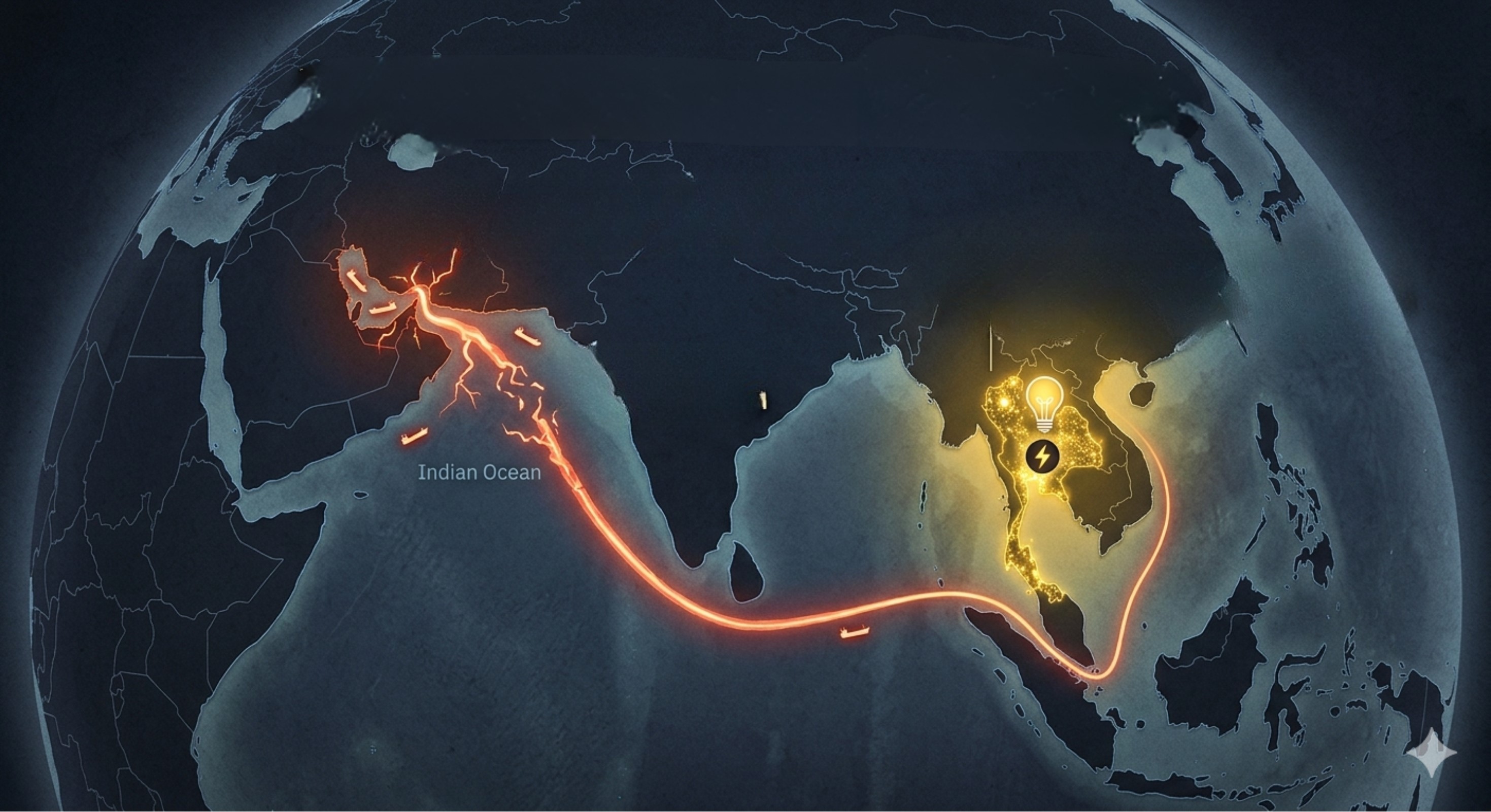
In Thailand, approximately 60% of electricity is generated from natural gas, while the country needs to import more LNG as the domestic natural gas supply is declining. The war in the Middle East has raised energy prices and made LNG procurement more difficult. Naturally, when the country uses more LNG, fuel-related electricity costs will inevitably increase as well. The Electricity Generating Authority of Thailand (EGAT), which is responsible for the country’s power system security, must handle energy management with optimal efficiency, covering both security and affordability.
Procuring LNG from Multiple Sources, “Not Putting All Eggs in One Basket,” to Ensure Energy Security

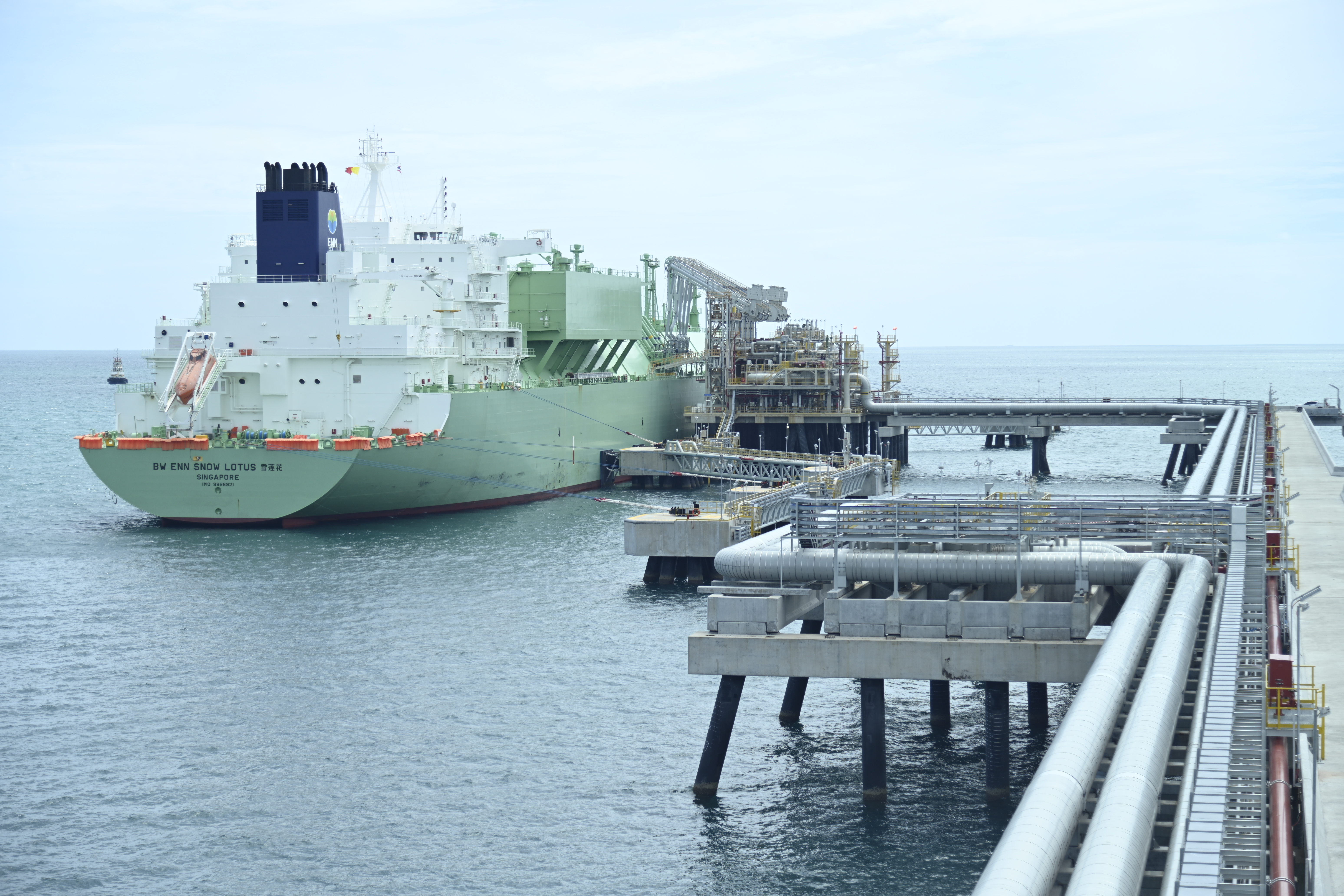
In 2017, EGAT was granted a license to procure and import LNG for its power plants, in line with the National Energy Policy Council’s natural gas liberalization policy. This enables EGAT to procure LNG in a way that aligns with its operational plan. During this energy crisis, EGAT has purchased LNG from multiple contracted suppliers to diversify risks, akin to not putting all eggs in one basket, thereby ensuring energy security. When additional LNG is required, EGAT will secure Spot LNG to meet urgent demand. Moreover, EGAT has implemented other measures, such as postponing the scheduled maintenance of gas fields in the Gulf of Thailand and Myanmar, while increasing gas delivery from the Gulf of Thailand to reduce reliance on LNG.
“Stabilizing Electricity Price,” a Crucial Mission of the Coal-Fired Power Plant
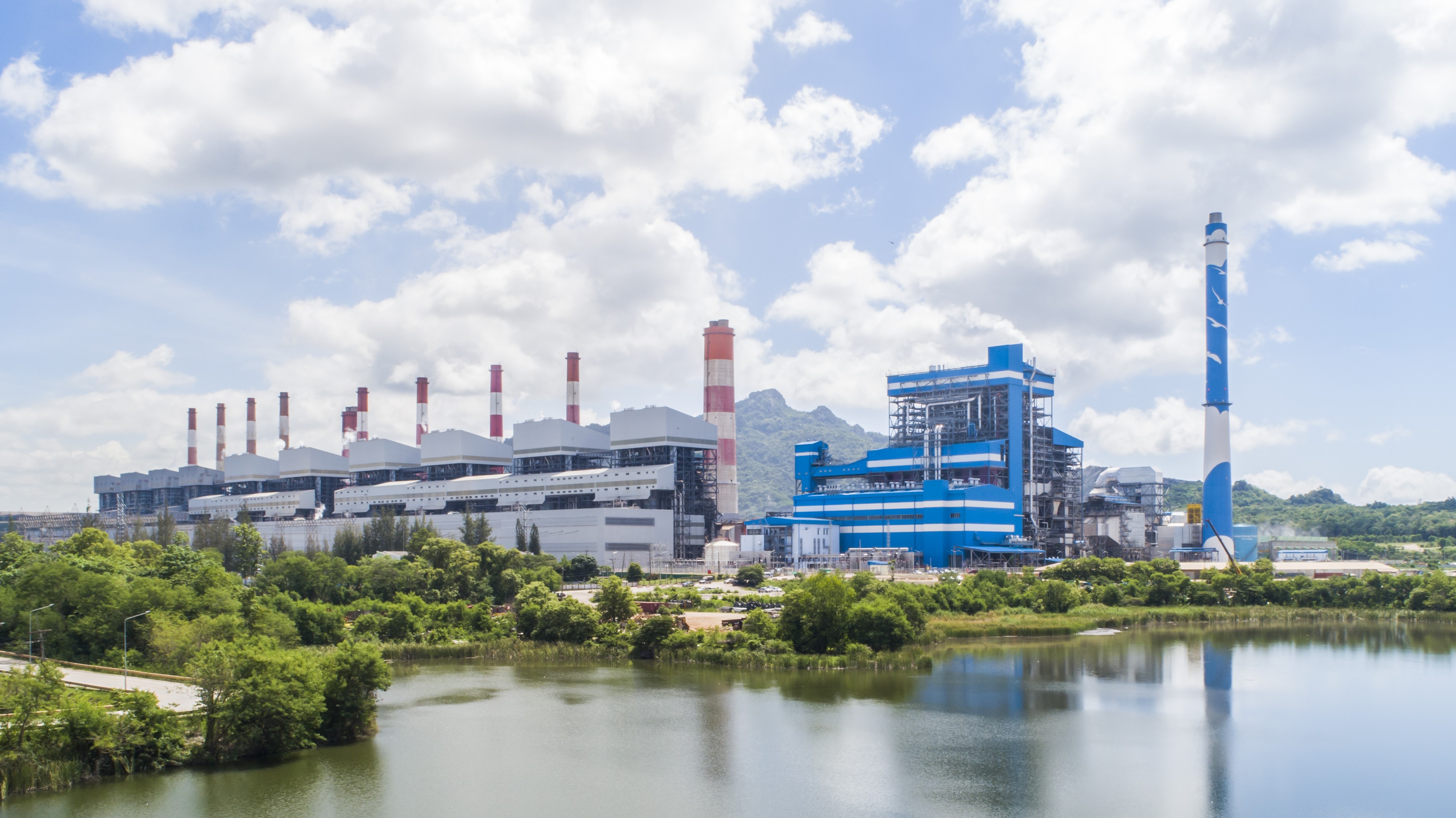
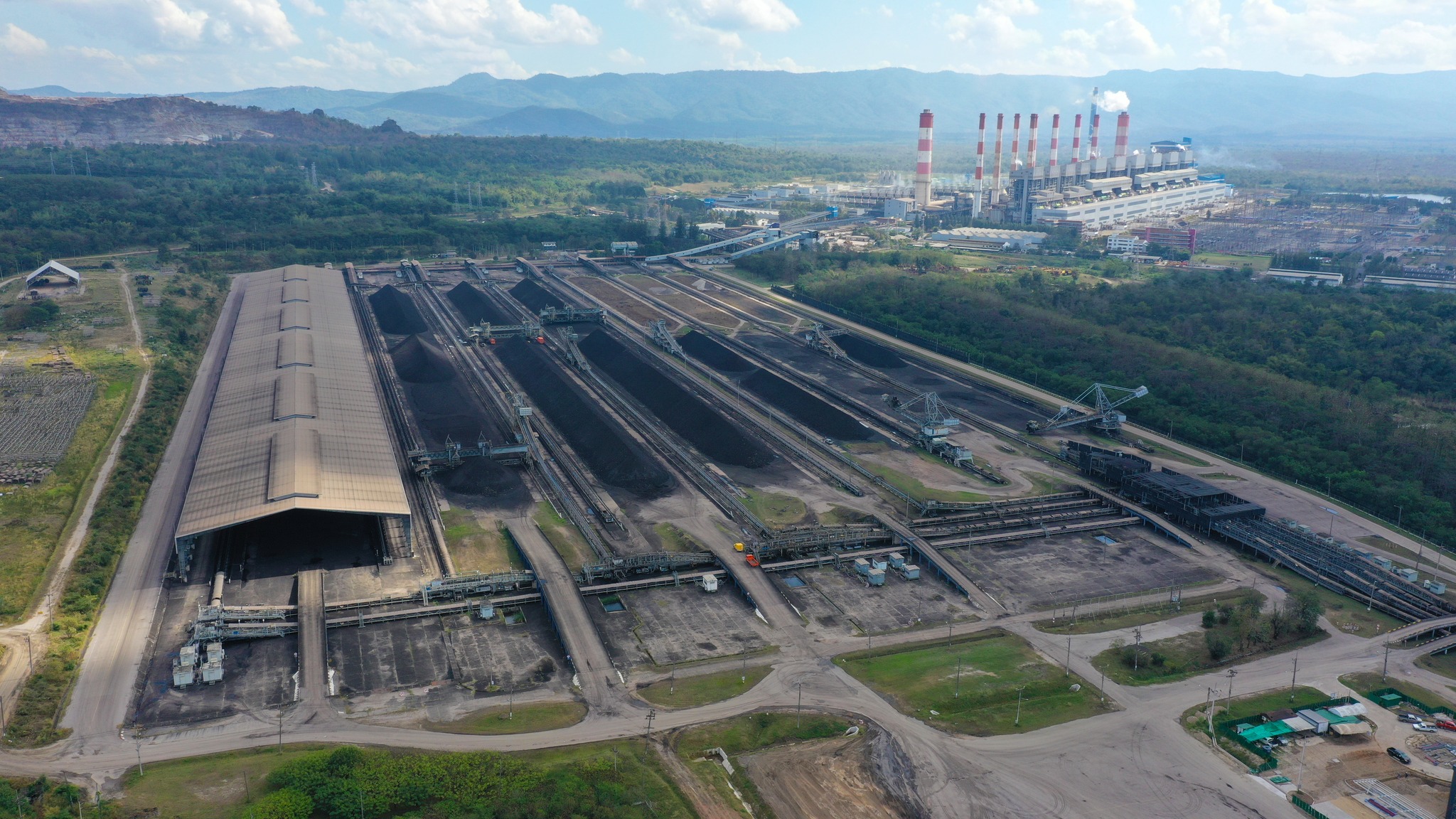
Mae Moh Power Plant uses lignite from Mae Moh Mine as fuel for power generation. Because it relies on domestic fuel, electricity generated at Mae Moh Power Plant is cheaper compared to other fuels. However, Mae Moh Power Plant, Units 1-7 have been decommissioned while some of the remaining units are nearing the end of their operational lifespans. This is because EGAT plans to gradually phase out aging plants in line with the country’s Net Zero Emissions goal. As a result, the power plant’s current generating capacity has been reduced by more than half. During this crisis, EGAT has ramped up Mae Moh Power Plant to operate at full capacity to ensure a sufficient and continuous power supply. Meanwhile, Mae Moh Mine has prepared adequate coal reserves to meet the power plant’s demand and reduce the import of high-priced LNG, thereby helping to stabilize fuel costs. Moreover, EGAT has implemented other measures, such as increasing the electricity generation from low-cost power plants, particularly hydropower from dams in Thailand and abroad, to reduce LNG reliance. EGAT has also established a war room to monitor the energy situation 24/7.

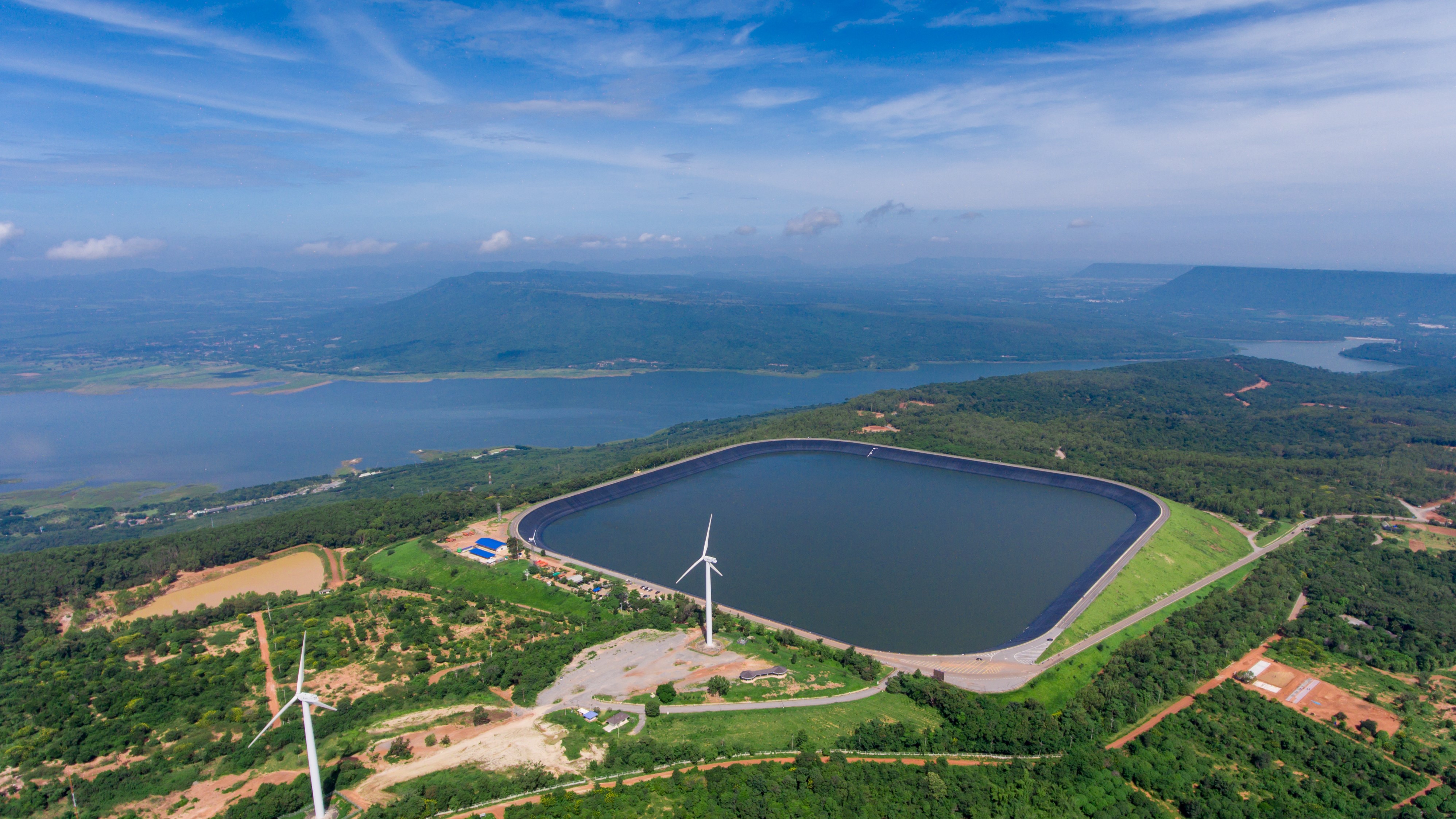
The world has faced many energy crises. To overcome each crisis is not easy as it must incorporate knowledge, expertise, experience, comprehensive management capabilities, and the collaboration of all sectors. Everyone can join in saving energy, as every unit saved means a reduced need for high-priced fuel imports. If we all join hands to save energy, Thailand will get through this energy crisis.