

A Changing World Demands a New Energy Landscape
7 August 2026
What defines the future of a nation in the 21st century? The answer is not only the size of its economy or natural resources, but also “energy” that is clean, secure, and competitive. While sufficient energy might reflect national security, at present, security alone is no longer enough to meet the demands of the new era. As the world transitions toward a low-carbon economy, energy is not only a fundamental factor but also the infrastructure that defines competitiveness, quality of life, and sustainable development. Investors no longer just consider which country has enough electricity, but they place importance on the source of electricity, the security and reliability of the power system, and the potential to support future industries. Consequently, the energy transition has become a key agenda of various countries, including Thailand, which is accelerating a clean energy system to support the new economy under the new rules of the global energy landscape.
Synergizing RE for Power System Security
The challenge of the energy transition is not only increasing the renewable energy share but also maintaining the stability of the power system to manage fluctuating energy sources without impacting electricity distribution. Regardless of the energy source, electricity users still expect electricity to be “available 24/7.” The Electricity Generating Authority of Thailand (EGAT), which is responsible for the nation’s power system security, has developed energy innovations and deployed various technologies to enable the system to accommodate the fluctuations of the renewable energy, ensuring stability and 24/7 electricity distribution.
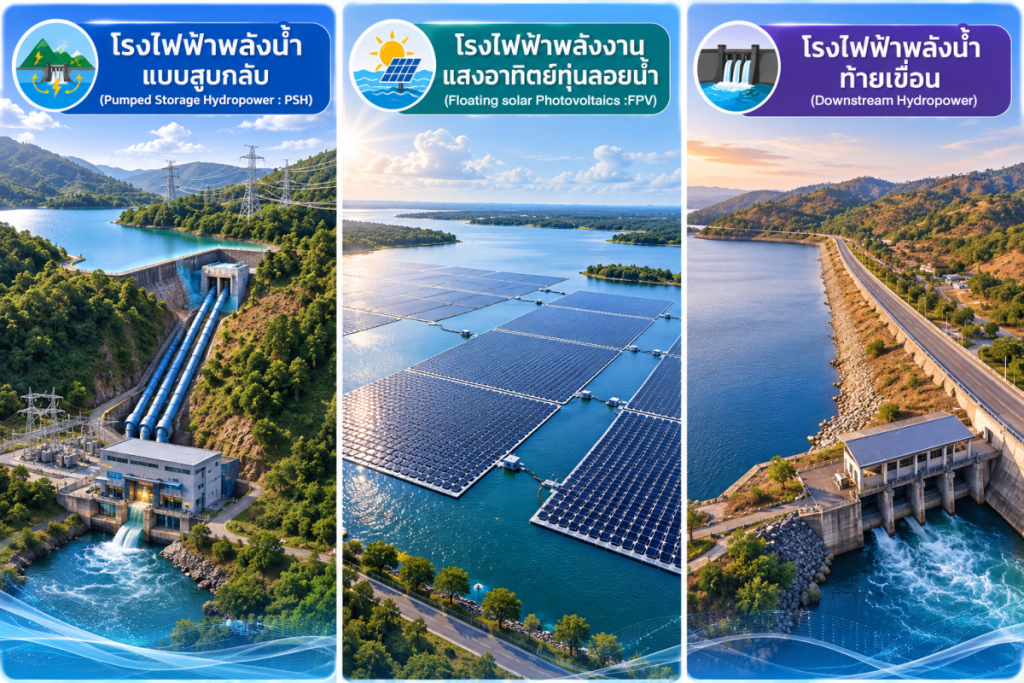
EGAT has developed floating solar projects on reservoir surfaces to increase power generation from clean energy, reduce dependence on fossil fuels, and avoid greenhouse gas emissions. These projects have been developed in parallel with pumped storage hydropower plants, which act as big batteries storing power in the form of water. This water is released for power generation when needed, such as when the renewable energy cannot generate electricity, thereby enhancing power system stability. Moreover, downstream hydropower plant projects have been developed from the existing infrastructure of dams by installing generators that produce electricity from water released for irrigation purposes, without impacting farmers’ water usage. The projects can increase clean energy generation without the need for additional fuel, adding value to the country’s existing infrastructure and maximizing the use of existing resources.
The New Rules: Electricity Must Be Clean, Secure, and Competitive
A clean, secure, and competitive power system has become a crucial advantage for the country in attracting investments. Many leading global organizations have announced their RE100 targets, which focus on the use of electricity generated from renewable energy throughout their business value chains. At the same time, the digital industry, data centers, and Artificial Intelligence (AI), which are key infrastructures of the new economy, need highly secure and eco-friendly electricity. As a result, Thailand needs a power system that meets both demands to build investor confidence and support the government’s policy of driving Thailand to be the digital economy hub of the region. When the world is competing on innovation, technology, and sustainability, the power system is no longer just the infrastructure that distributes power to users. Instead, it is a driver that enhances the country’s competitiveness, provides business opportunities, supports the quality of life, and connects the country with the global green economy.
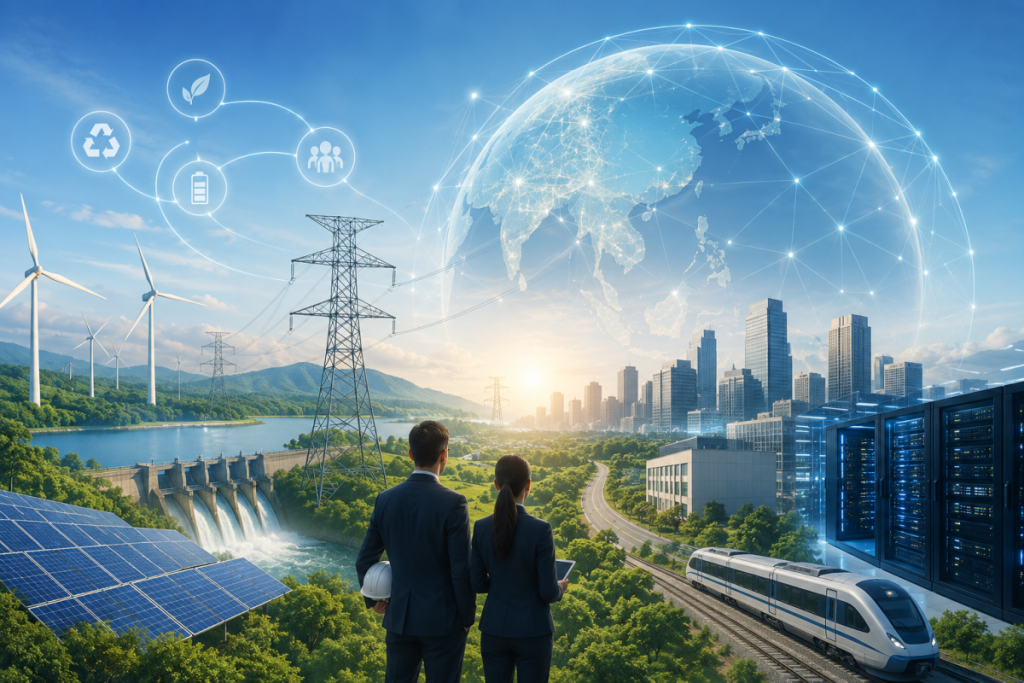
EGAT’s advancement in the energy transition, including increasing the share of renewable energy, developing energy storage technologies, and upgrading the power system to support the growth of renewable energy, does not only meet today’s electricity demands but also builds the foundation for a clean, secure, and competitive power system. All are done to ensure that every unit of energy can sustainably support the future growth of Thailand.