
IAEA and EGAT advance SMR knowledge and understanding to strengthen energy security
27 October 2026IAEA, in collaboration with EGAT, organized the academic workshop “Strengthening Thailand’s SMR Pathway: Strategy and Project Implementation” to enhance knowledge and understanding of SMR technology among Thai energy-sector agencies and prepare for SMR power plants.
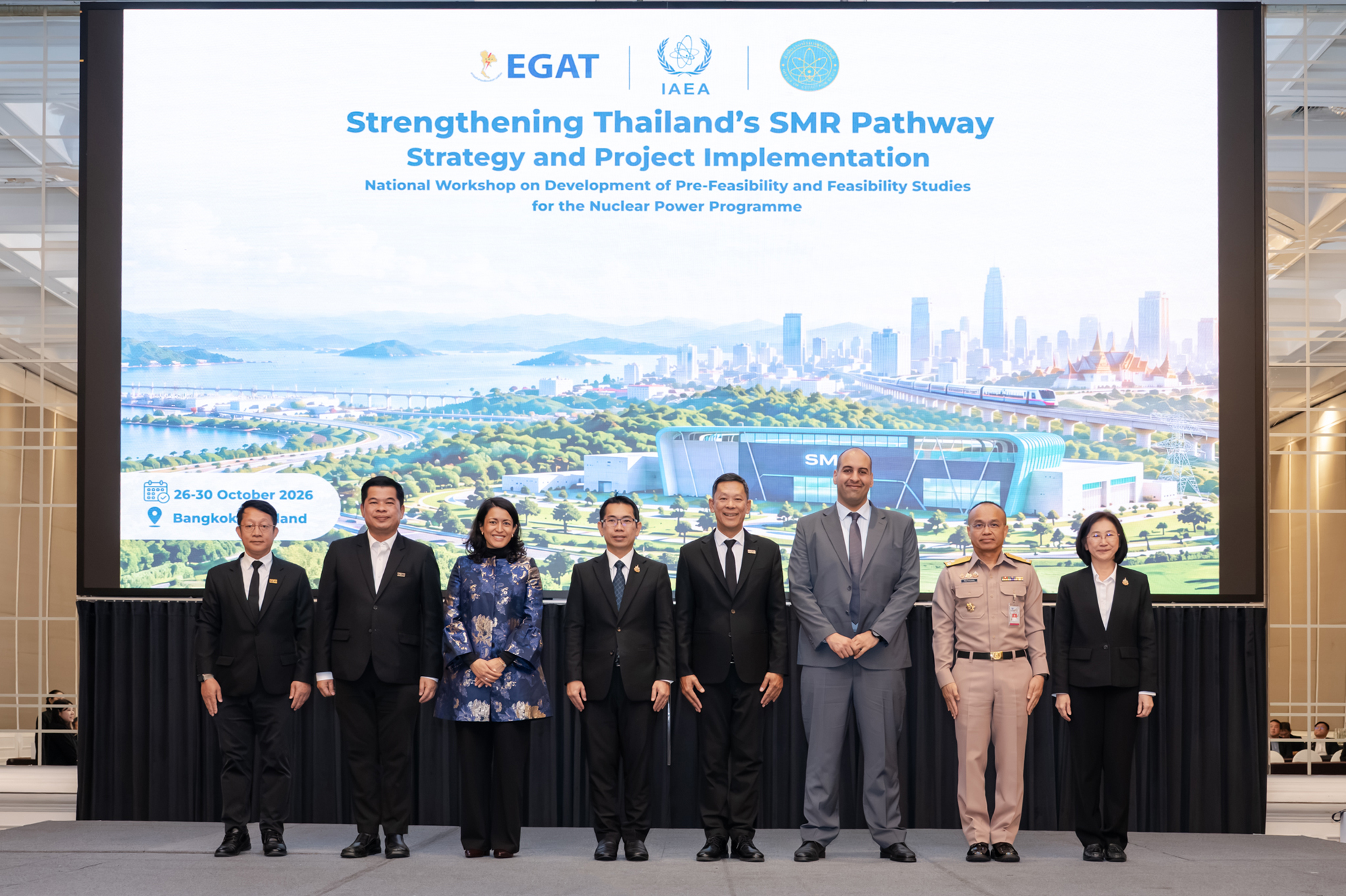
On October 26, 2026, Mr. Sompop Pattanariyankool, Deputy Permanent Secretary of the Ministry of Energy, presided over the opening ceremony of the academic workshop under the Technical Cooperation (TC) Project on the topic of “Strengthening Thailand’s SMR Pathway: Strategy and Project Implementation.” The project is a technical cooperation initiative between the International Atomic Energy Agency (IAEA) and the Electricity Generating Authority of Thailand (EGAT). The workshop aimed to enhance knowledge and develop the capabilities of national personnel in preparation for Small Modular Reactor (SMR) power plants. The event was attended by Mr. Siriwat Chedsi, EGAT Deputy Governor – Power Plant Development and Renewable Energy; Ms. Anna Jaison, an IAEA representative; and other distinguished guests.
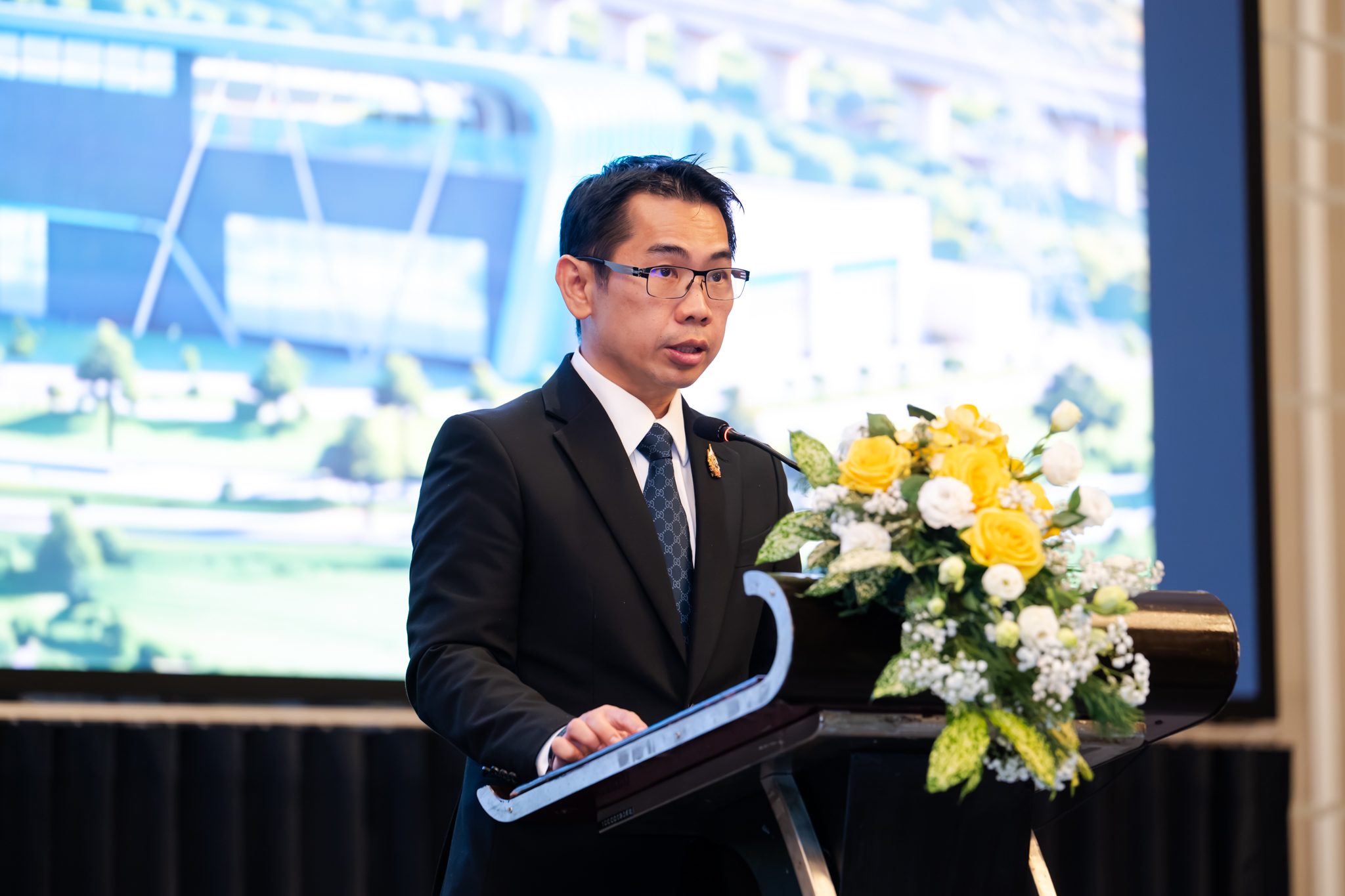
Mr. Sompop Pattanariyankool, Deputy Permanent Secretary of the Ministry of Energy, stated that the global energy sector is undergoing significant transformation. Countries around the world are striving to strengthen energy security, enhance economic competitiveness, and achieve climate goals by exploring various clean energy technologies capable of providing reliable, sustainable, and affordable electricity. For Thailand, SMR technology is considered one of the key options under the national strategy to strengthen long-term energy security, support economic growth, and drive the transition toward a low-carbon society. Being responsible for national energy policy, the Ministry of Energy is committed to ensuring that relevant organizations in Thailand develop the necessary knowledge and systematically enhance their capabilities. These efforts are essential to evaluating all appropriate energy options and supporting well-informed decisions, while upholding the highest standards of safety, security, environmental responsibility, and public confidence.
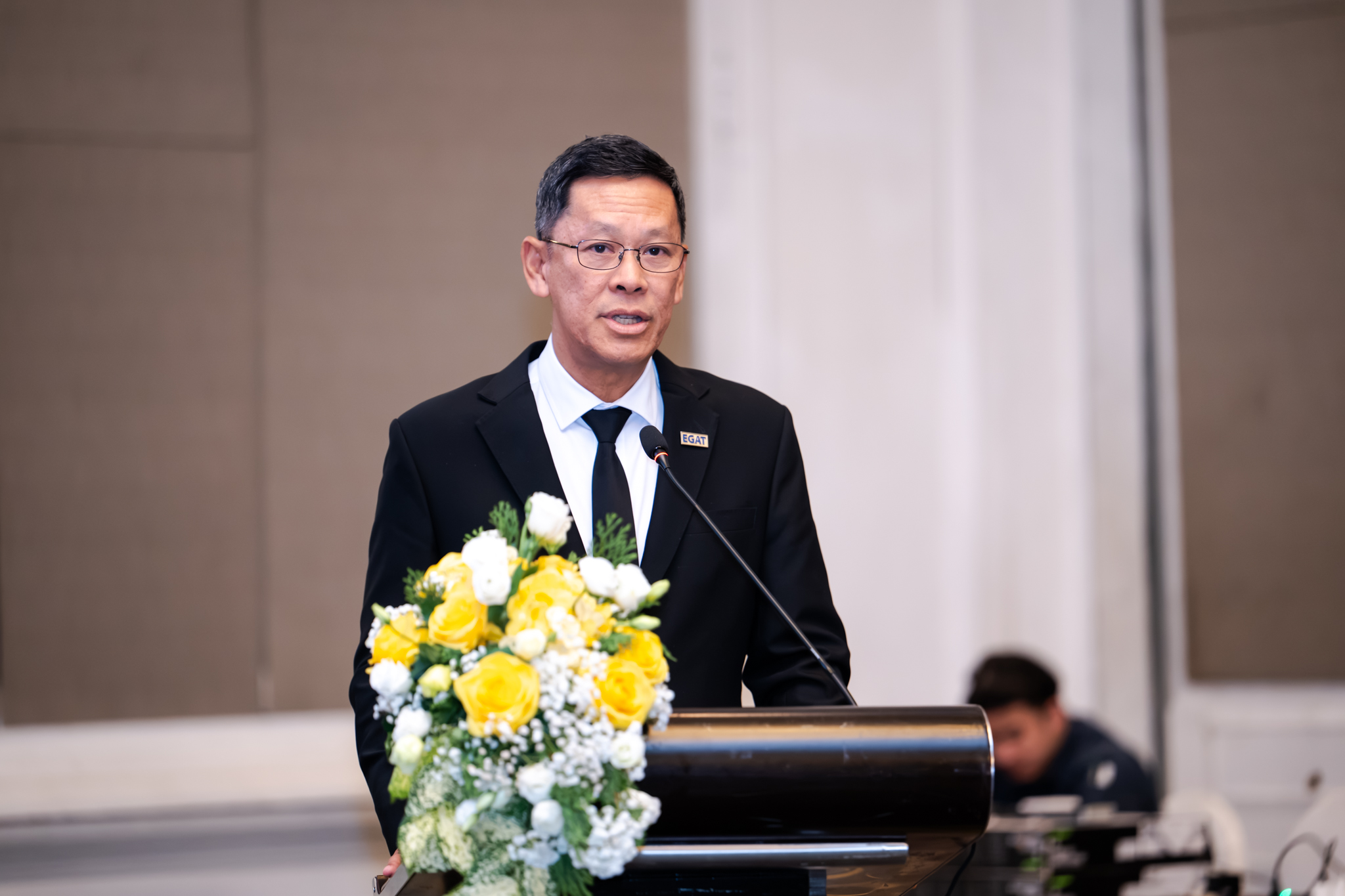
Mr. Siriwat Chedsi, EGAT Deputy Governor – Power Plant Development and Renewable Energy, added that amid the energy transition, ensuring long-term energy security while moving toward a clean and sustainable energy future remains a major challenge. SMR technology is therefore being considered worldwide as a promising source of stable, low-carbon electricity. For EGAT, building knowledge, developing specialized personnel, and strengthening institutional capabilities are fundamental to understanding both the opportunities and challenges associated with the future deployment of SMR technology. This workshop therefore provides an important opportunity to learn from international experiences and enhance the capabilities needed to support future decision-making.
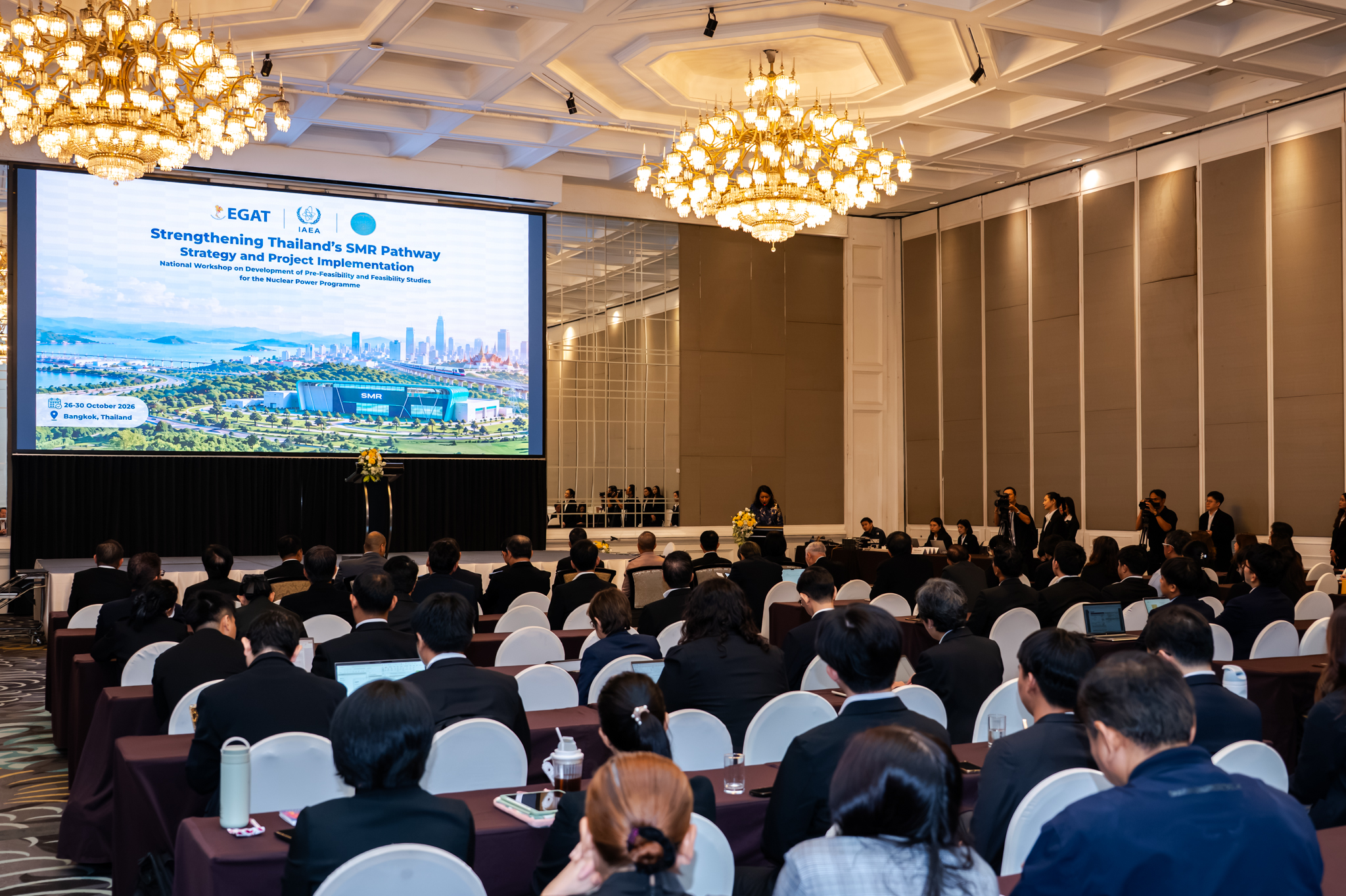

Meanwhile, Thailand’s Draft Power Development Plan (PDP2026) sets a target for the development of SMR power plants with a combined capacity of 9,000 MW, with the first SMR power plant targeted to begin operation by 2037. The workshop serves as an important platform for experts from the IAEA and various countries to share their experiences and international best practices, covering project feasibility studies, planning, implementation, workforce development, safety culture, and public engagement. These exchanges will help Thai agencies strengthen their knowledge and understanding and prepare systematically for nuclear development. Should Thailand decide to develop SMR power plants in the future, the country will be able to proceed safely, efficiently, and in accordance with international standards.