

Alternative Energy
Background
As the main electricity organization, EGAT recognizes the importance of maintaining the balance of energy sources, particularly the appropriate and sustainable diversification of fuels in electricity generation. Thus, EGAT has always placed importance on alternative energy.
Along with electricity generation from the main fuels, EGAT has conducted research, development, and demonstration on alternative energy projects continuously. For example, in 1978, EGAT, in cooperation with other organizations, made an exploration of the source of geothermal energy and in 1989 the first geothermal power plant in Thailand was constructed. For wind energy, “Phrom Thep Renewable Energy Station” has been used as the testing station for electricity generation from wind power since 1983. The first hybrid solar cell demonstration station was established in 1986. The development of power plant downstream of irrigation dam project has been implemented since 2007. The alternative energy will help reduce the use of fossil fuels. Technological development and innovations relating to alternative energy will also help to enhance the stability of electricity generation with more reasonable cost, strengthening the security of the power system coupled with sustainable environmental conservation.
Renewable Energy
Renewable energy is the energy collected from renewable resources that are inexhaustible and naturally replenished. It includes sources such as sunlight, wind, water, geothermal, biomass and biogas, including agricultural produce and waste such as husk, bagasse, cassava pulp, or manure which can be used as raw material in producing renewable energy.
At present, renewable energy is an alternative energy for fossil fuels or depletable energy, such as oil, coal, natural gas, oil shale, and oil sands. Renewable energy is considered a clean energy that does not cause pollution, environmental impact, or climate change. It helps to reduce greenhouse gas emissions which is the cause of global warming, reduce imported fuel, and also promotes community participation in electricity generation.
Renewable energy commonly used globally are hydropower, solar power, wind power, geothermal energy, and biomass.

Hydropower
Hydropower is an inexhaustible natural resource. Water is essential for the subsistence of all life. Human beings, in particular, use water for several purposes including consumption. Water can be used as an energy source for electricity generation by the transformation of potential energy of water stored in the dam to the kinetic energy of water passing through the pipes to become mechanical energy to rotate the turbine and generator to produce electricity. The amount of energy depends on the height of the water level and the flow rate of water used in electricity generation.
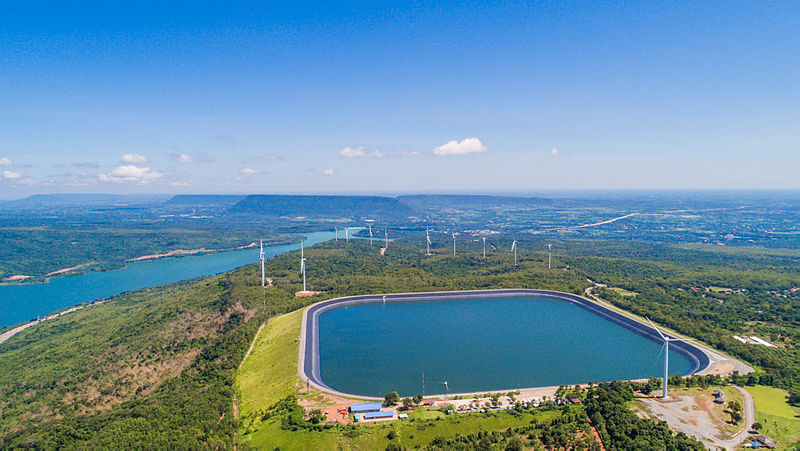
Hydropower plants are classified into reservoir hydropower plant, run-off river hydropower plant, pumped-storage hydropower plant, and downstream hydropower plant.
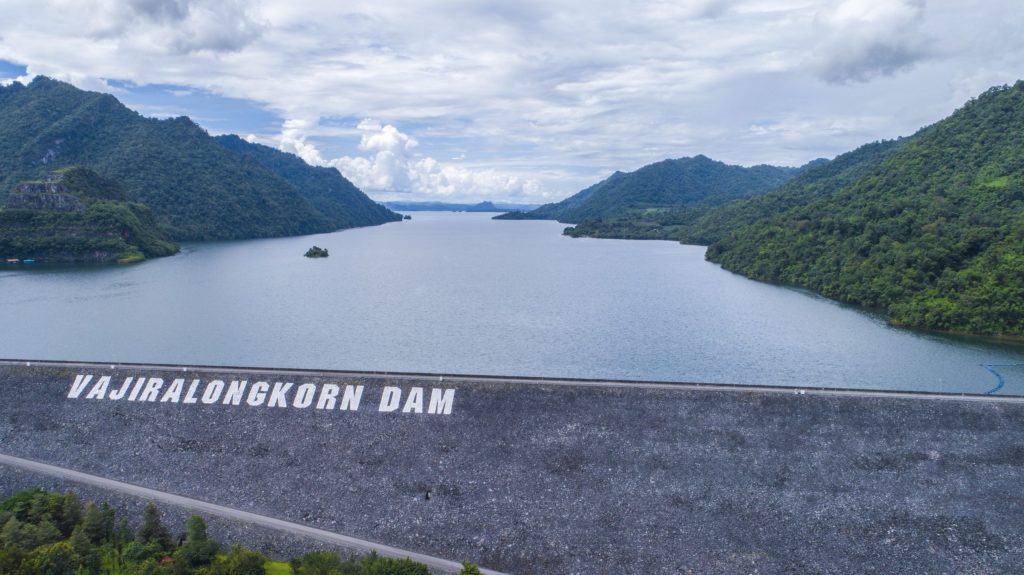
EGAT has many hydropower plants across all regions of Thailand, such as Vajiralongkorn Dam in Kanchanaburi Province, Sirikit Dam in Uttaradit Province, and Sirindhorn Dam in Ubon Ratchathani Province.
Solar Power
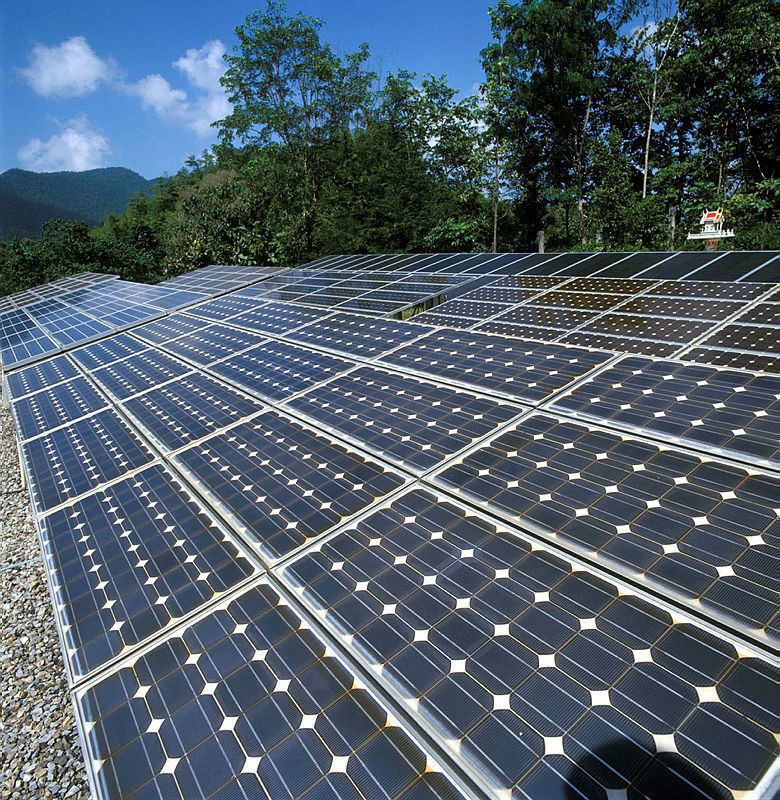
Solar power is a clean energy that is available abundantly in nature. It can be used to produce electricity by means of solar cell which is a device made of silicon semiconductor. Solar cells directly convert sunlight into electricity as direct current.
EGAT has six solar plants, namely Khlong Chong Klum in Sa Kaeo Province, Phrom Thep Cape in Phuket Province, San Kamphaeng in Chiang Mai Province, Pha Bong in Mae Hong Son Province, Sirindhorn Dam in Ubon Ratchathani Province, and Thap Sakae in Prachuap Khiri Khan Province.
Floating Solar Project
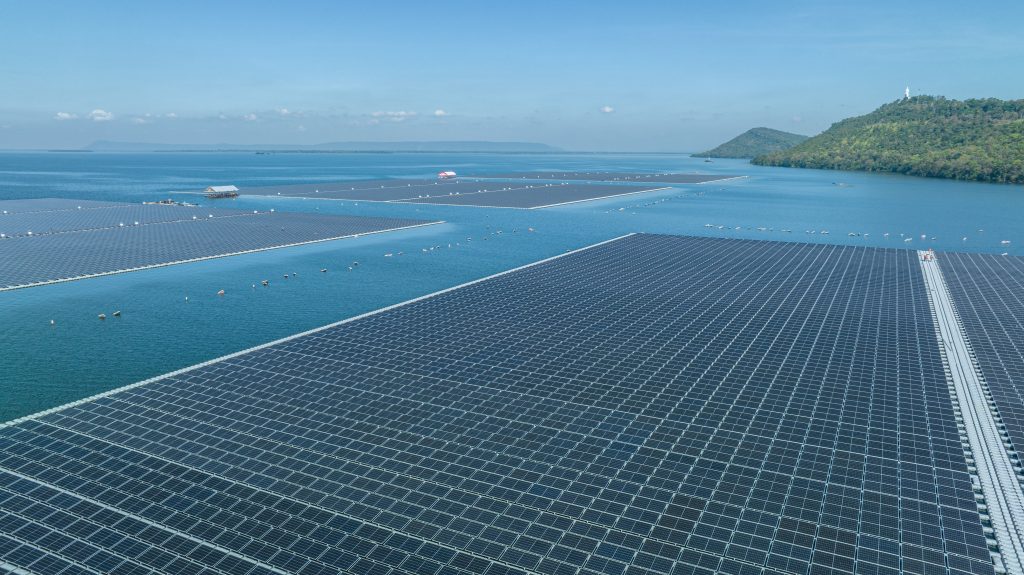
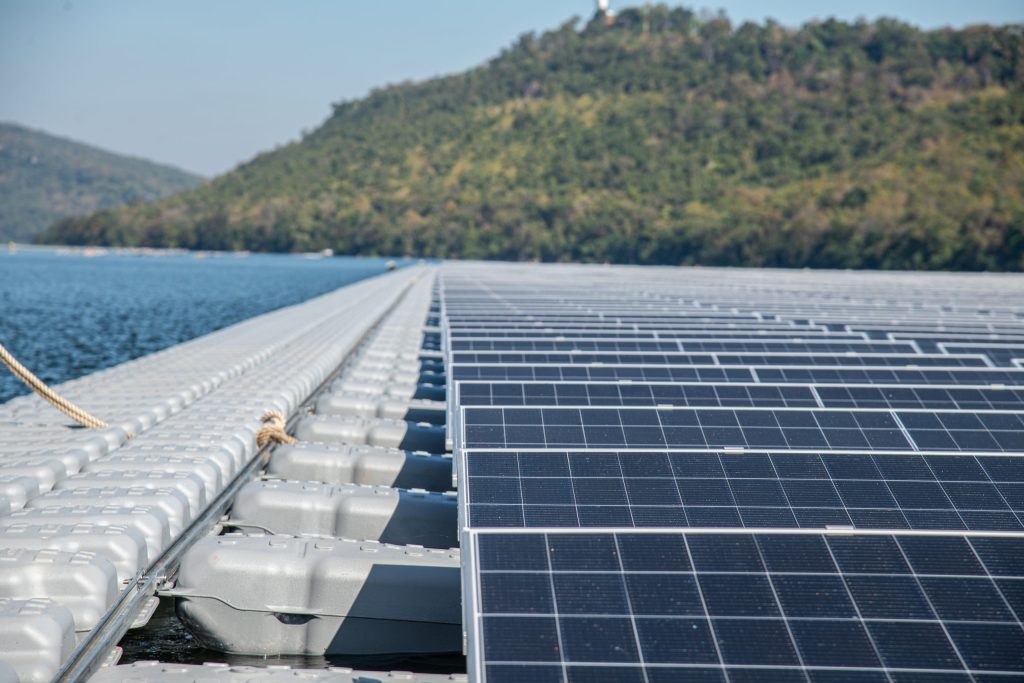
Under Thailand’s Power Development Plan 2018-2037 Revision 1 (PDP2018 Revision 1), EGAT aims to develop floating solar projects on EGAT’s dam reservoirs nationwide, with a total generating capacity of 2,725 MW by 2037.
The project generates electricity from solar energy during the daytime and from hydropower during the nighttime. Battery Energy Storage System (BESS) is also utilized to support continual electricity generation during the transition between the two energy sources. Moreover, Energy Management System and Weather Forecast System are incorporated to enhance stability of the electricity generation system by dealing with renewable energy limitations.
The floating solar panels installed on the water surface of EGAT dams cover less than 1% of the total reservoir area, and they are installed with suitable inclination to allow sunlight to penetrate the water surface without impacting the underwater ecosystem. In addition, the solar panels and floating platforms are made from environmentally friendly materials.
EGAT currently has floating solar projects in operation at Sirindhorn Dam in Ubon Ratchathani Province and Ubol Ratana Dam in Khon Kaen Province.



Wind Power
Wind power is energy from a natural phenomenon that is caused by the difference of temperature and atmospheric pressure of each position on the Earth’s surface. The air in the area where the temperature is higher will be hot and have a lower density. It will then expand and rise up and is replaced by cooler air with higher density, creating the air movement which is called the wind or airflow.
Nowadays, wind power is used in electricity generation as it can be found everywhere; it is free, clean, causes no pollution, and can be used endlessly. Wind turbine technology is used in electricity generation. The wind which strikes the blade of the wind turbine will convert wind energy, which is kinetic energy, into mechanical energy for electricity generation. The amount of electricity obtained depends on the wind speed, the length of the wind turbine blades, and the installation area.
Electricity generation and distribution from wind energy of EGAT is at Phrom Thep Cape in Phuket Province and at the upper reservoir of Lamtakong Jolabha Vadhana Power Plant in Nakhon Ratchasima Province.
Geothermal Energy
Geothermal energy is, like petroleum, the heat of the earth’s molten interior. It is contained in the form of water or steam. Geothermal energy originates from the movement of the earth’s crust (lithosphere) which consists of moving tectonic plates. The plate motion causes faults in the rocks which become smaller as they go deeper underground. When it rains, some of the rain will pass through the faults and is collected underground. The water which is heated up by the molten rock emerges through the faults to the surface of the earth as hot spring, geyser, hot steam, boiling mud pond, gas, etc.
In electricity generation by geothermal energy, the heat is transferred from the hot water to the working fluid with a low boiling point to become steam which is used to rotate the turbine of which the shaft is connected to the generator.
EGAT owns one geothermal power plant, namely Fang Geothermal Power Plant in Chiang Mai Province.


Biomass
Biomass is natural energy generated or produced by organic matter such as crop residue, agricultural waste or industrial waste, and energy crop. Examples of such organic materials are husk, rice straw, bagasse, sugar cane leaf and bud, wood scraps, fast-growing wood, palm kernel and fiber, cassava pulp, corncob, coconut coir and shell, brew’s yeast, garbage, industrial wastewater, and animal waste.
Electricity generation from biomass is separated into two types:
- Direct combustion which is used as fuel in biomass power plants
- Thermochemical conversion to obtain biogas is used as fuel in biogas power plants. An example is the anaerobic digestion of cassava pulp, corncob, or Napier Grass.
EGAT has placed importance on electricity generation for power system security coupled with environmental conservation. In cooperation with Kasetsart Agricultural and Agro-Industrial Product Improvement Institute (KAPI) of Kasetsart University and the Rubber Authority of Thailand, EGAT has implemented the project “Planting Seedlings of Fast-Growing Trees to Increase Income for Community.” The objective of the project is to promote the members of Cooperatives and rubber planters in four districts in Bueng Kan Province (Mueang District, Si Wilai District, Phon Charoen District, and Seka District) to plant seedlings of fast-growing trees and grow them in their rubber plantation and open space of the community. The trees to be planted are Acacia auriculaeformis Cunn and Acacia mangium Wild. The objective of the project is to promote local jobs and generate income for the community. When the fast-growing trees are 3-4 years old, they can be sold as biomass fuel to local and foreign biomass power plants. Thus, the project will promote occupation and quality of life of the community.
Future Energy
As the world transitions toward a low-carbon future, EGAT is actively exploring various clean and alternative energy sources to enhance energy security and achieve carbon neutrality.
Hydrogen
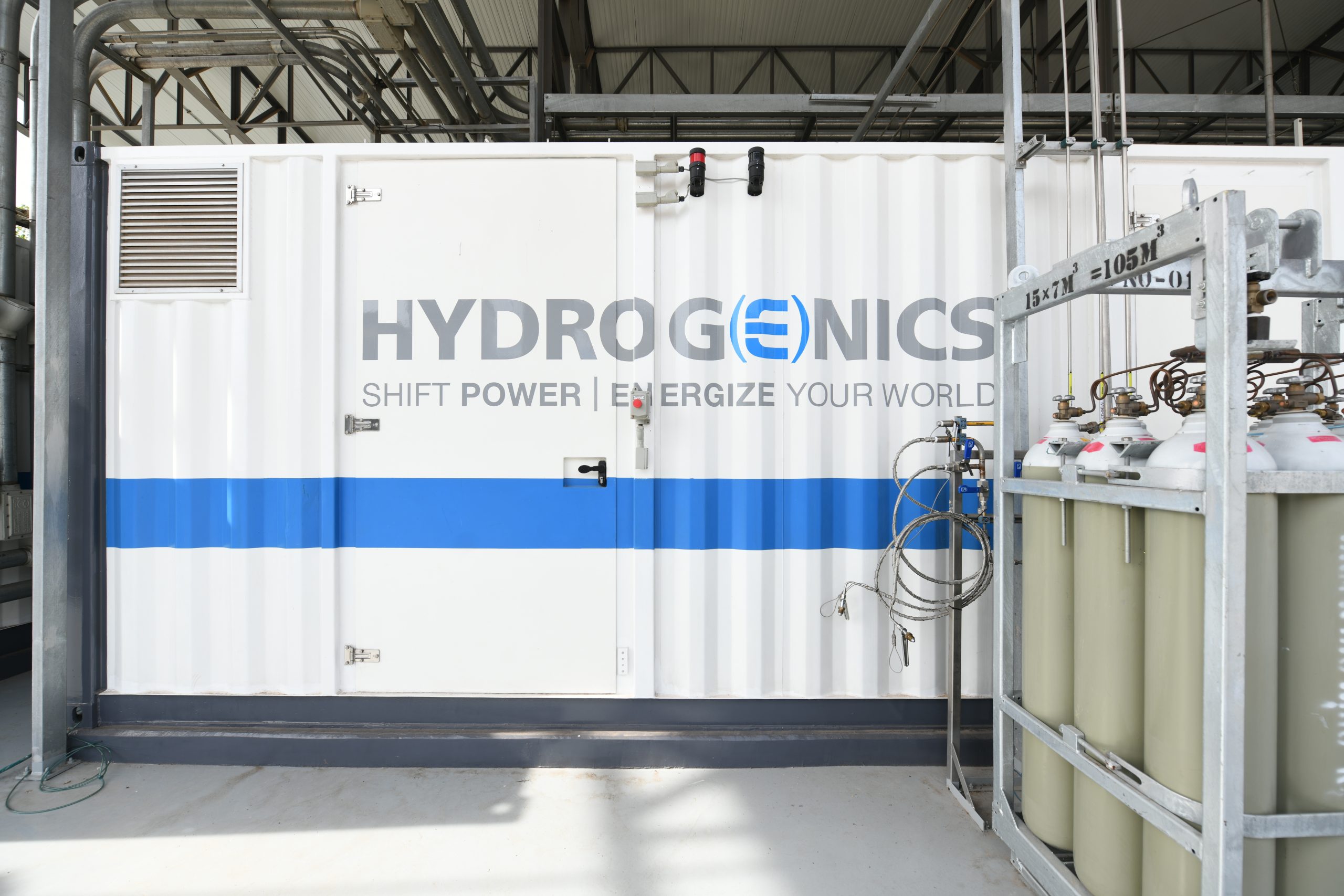
Hydrogen is a colorless, odorless gas that is safe for living creatures. It can be used to generate electricity by passing it through a fuel cell, producing only energy and pure water in the form of steam, thus not causing any pollution. In addition to being a fuel, it can be stored by way of Hydrogen Energy Storage System (HESS). Hydrogen can also store energy by transforming into other substances, such as ammonia, methanol, and methane.
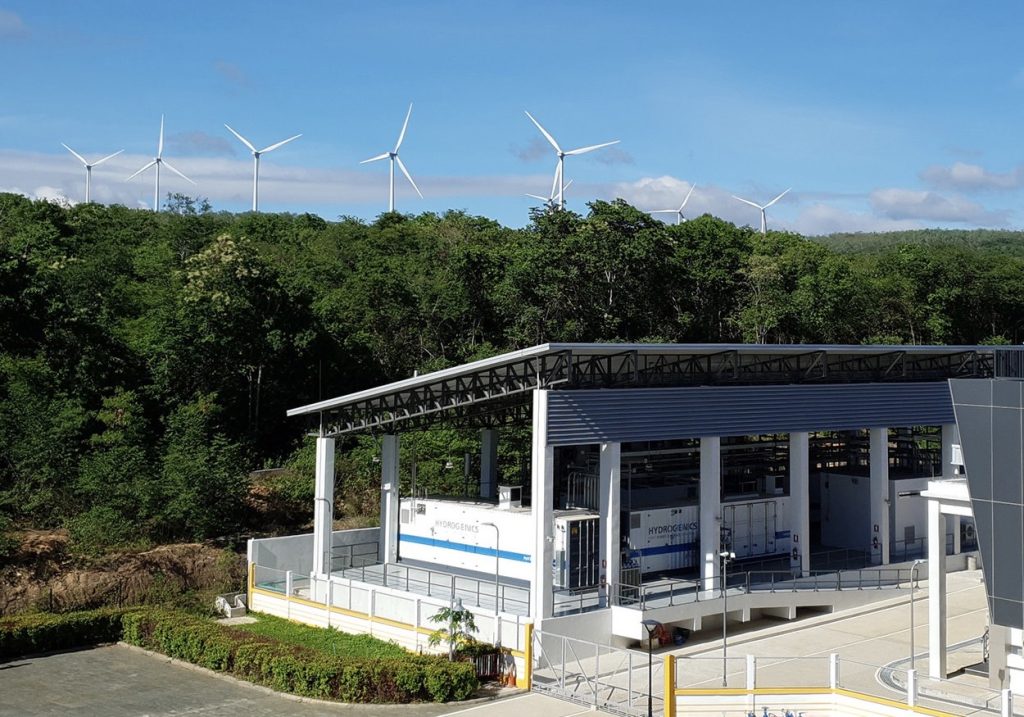
When renewable energy is used to produce hydrogen through the process of splitting water molecules with electricity (electrolysis), the result is green hydrogen, a clean energy that can be used to generate electricity.
EGAT has successfully produced and utilized green hydrogen since 2016. EGAT has piloted the storage of electricity from wind turbines in the form of hydrogen, or the Wind Hydrogen Hybrid System coupled with fuel cell with the capacity of 300 kW. Afterwards, the hydrogen can be converted into electricity which is supplied to the EGAT Learning Center – Lam Takong.
SMR
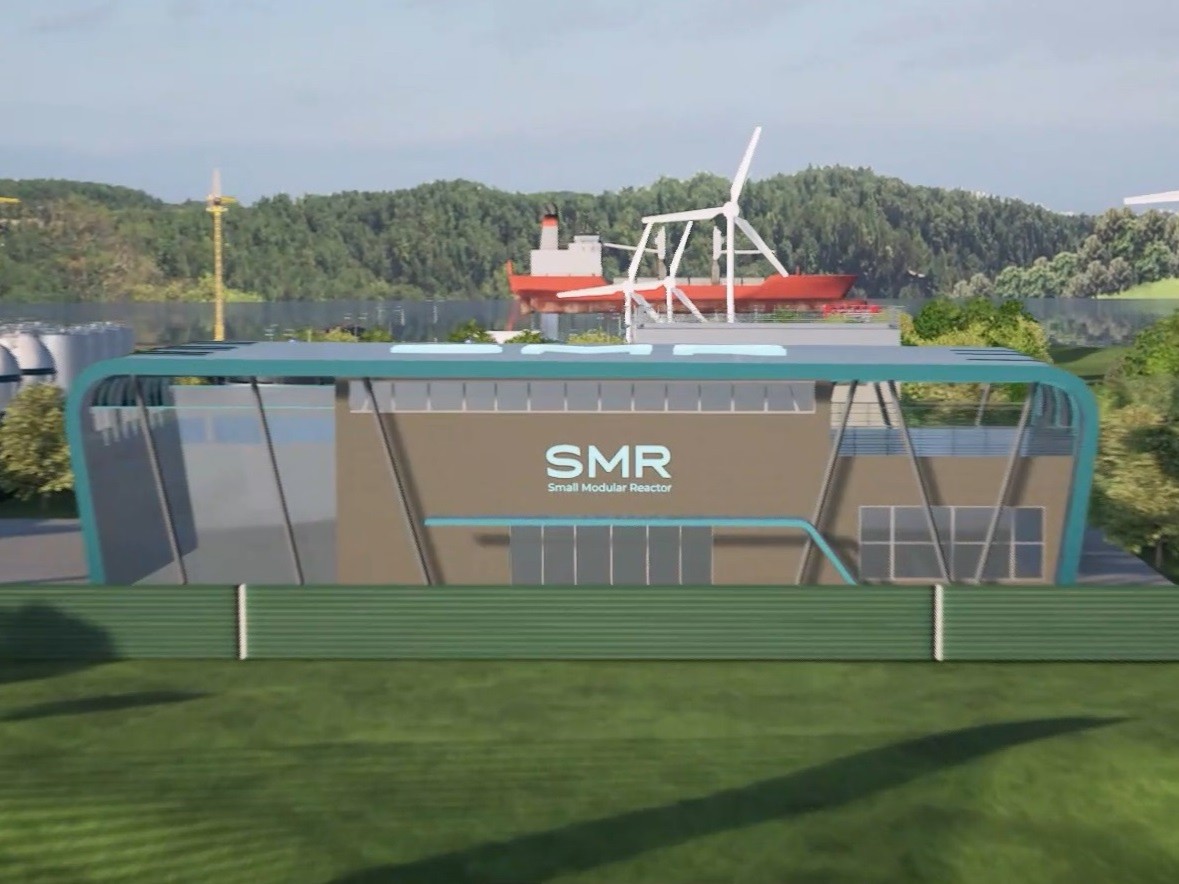
Small Modular Reactor (SMR) is a clean energy power plant that uses heat generated from nuclear fission reactions instead of fuel combustion to produce electricity. Therefore, it does not emit carbon dioxide. The reactor is designed in a modular format, with each module having a generating capacity of less than 300 MW. These modules can be fully manufactured and assembled in factories, allowing for easier quality control and quick on-site installation. Additionally, SMRs are highly flexible; their output can be adjusted by operating individual modules or increasing capacity by adding more modules as electricity demand changes.
EGAT has been continuously preparing for the development of SMR power plants under the national power development plan in order to meet future energy demands and enhance energy security. Currently, a pre-feasibility study is being conducted to identify potential locations, evaluate suitable technologies, and develop human resources. Moreover, there are collaborations with international partners and SMR technology developers in technical, financial, and procedural aspects with consideration of safety regulations and public acceptance.