

From the Pioneering Era of Nuclear Power to SMR Technology, a New Alternative for Thailand’s Energy Future
2 April 2026
For over 70 years, the world has known how to generate electricity from nuclear power. Across four generations of development, nuclear technology has become safer and more efficient. Today, as the world faces natural disasters due to global warming, Small Modular Reactor (SMR), the latest generation of nuclear technology which is clean, stable, cost-effective, and sustainable, is attracting the interest from nations worldwide.
From the Origins of Nuclear Discovery to the Foundation of Global Energy
Nuclear power technology originated from the military applications in the late 1940s before being further developed for commercial electricity generation to ensure energy security.
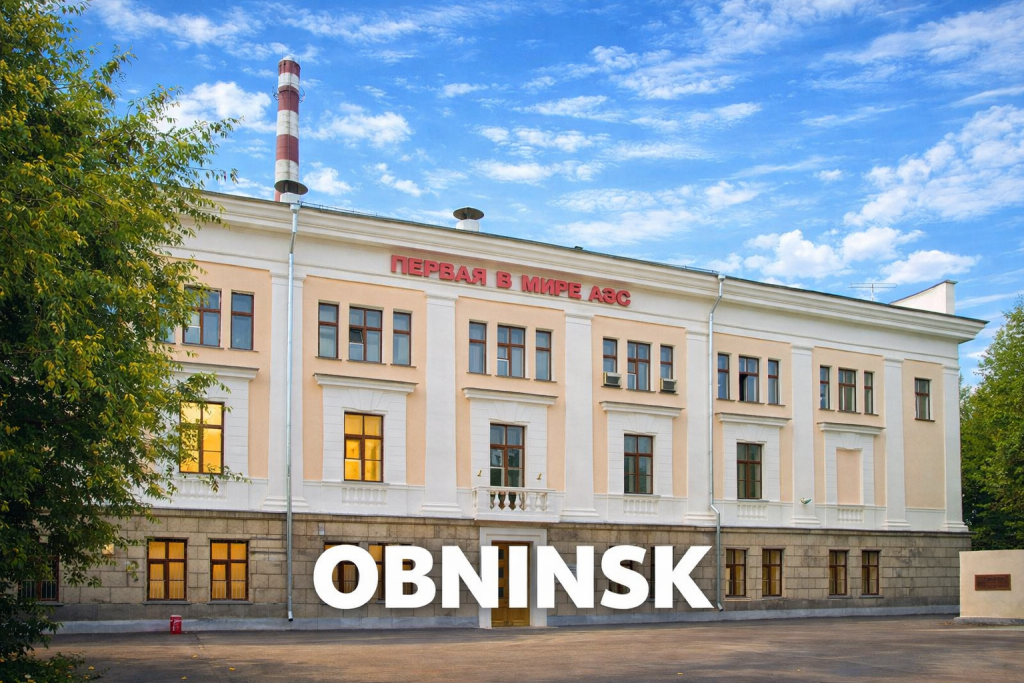
Generation I (Gen1), the pioneering era during the 1950s and 1960s, focused on proving the concept of using nuclear power for electricity generation. The Atom Mirny (AM-1) reactor at the Obninsk Power Plant in the Soviet Union (present-day Russia), which began supplying electricity to the grid in 1954, is regarded as the world’s first nuclear power plant. This was followed by the Calder Hall-1 Power Plant in UK, which is the world’s first large-scale commercial power plant, and the Shippingport Power Plant in USA. Although all of these power plants were decommissioned, they laid the vital foundations for the modern energy industry.
Moving into Generation II (Gen2), the technology became more stable and suitable for commercial use. The safety systems in this era were based on “active safety,” which required the operation of machinery, electrical systems, and human decision-making to control emergency situations. Despite relying on these external factors, Gen2 reactors offered high reliability and low electricity generation costs. As a result, this technology saw widespread adoption throughout the 1970s and has served as the foundation for the majority of over 400 nuclear reactors operating worldwide today.
From Past Lessons to Modern Nuclear Safety Standards
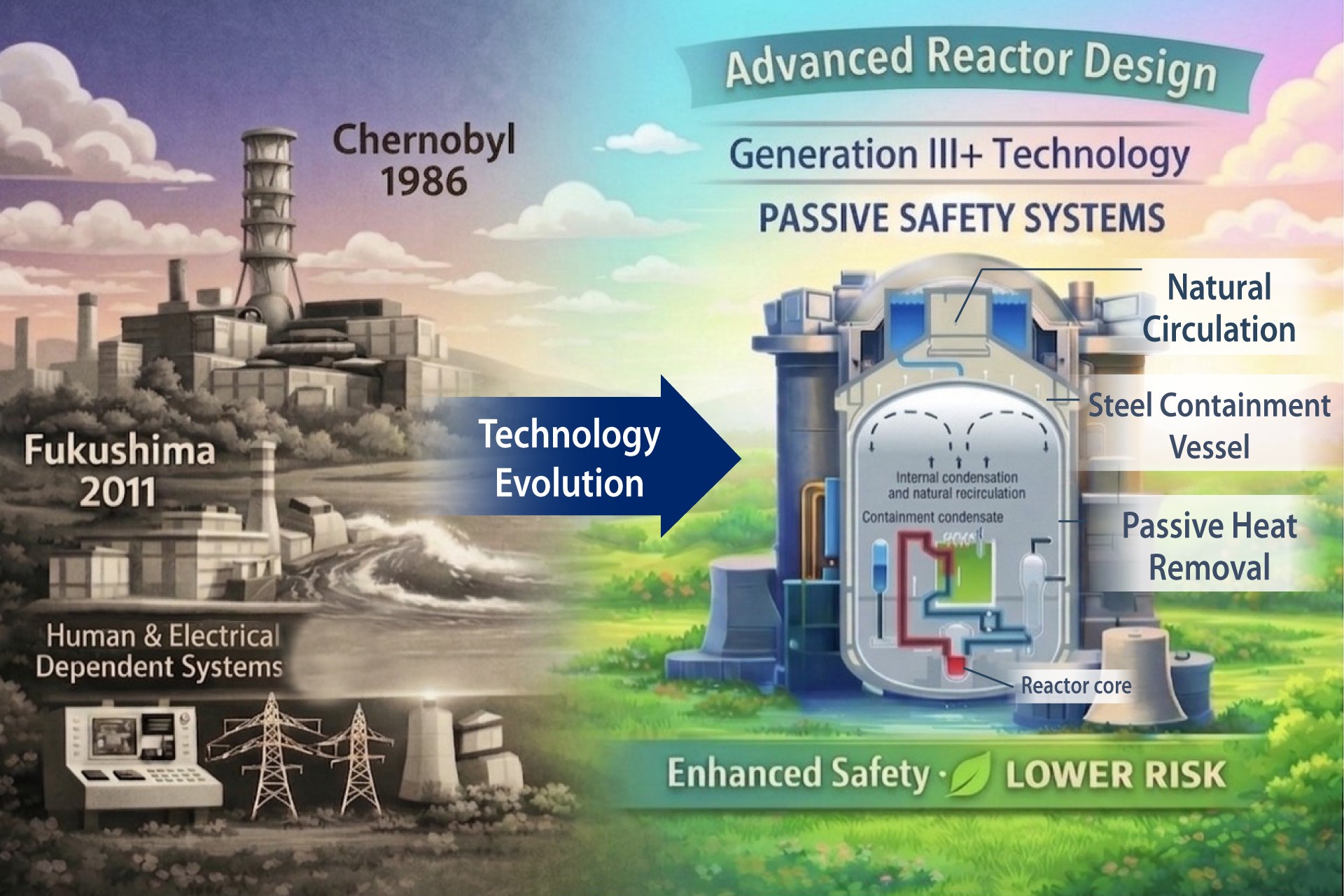
The accidents at the Chernobyl Nuclear Power Plant in the Soviet Union (present-day Ukraine) in 1986 and the Fukushima Daiichi Nuclear Power Plant in Japan in 2011 serve as crucial lessons for the global nuclear industry. They reflect the limitations of past safety systems that relied on human intervention and electrical power. This led to the development of Generation III (Gen3) and Generation III+ (Gen3+) whose systems are based on “passive safety.” These automated systems rely on natural principles, such as gravity and natural thermal circulation used for cooling the reactor core without the need for electricity or human control, thereby reducing the risk of emergencies.
Gen IV: Nuclear Power in the New Era of Sustainability
The development of nuclear power has continued and at present the world is moving toward Generation IV (Gen 4), which focuses on improving efficiency, minimizing waste, and optimizing fuel consumption. A key concept involves developing reactors that use the reprocessed fuel in order to reduce radioactive waste in the long term, along with an effort to develop advanced coolants, such as helium, lead, liquid sodium, and molten salt, enabling operations at higher temperatures. Therefore, the potential of nuclear power goes beyond electricity generation as it can supply extreme heat required by heavy industries, such as petrochemicals and steelmaking, driving the transition toward low-carbon industry.
SMRs: Thinking Big with Small Reactors
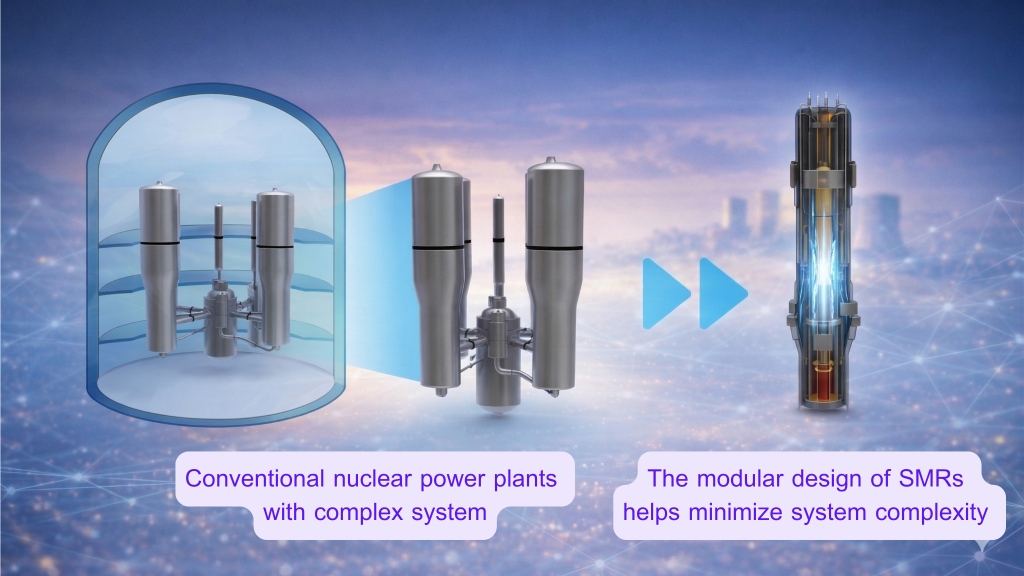
As the world moves toward the era of clean power, Small Modular Reactors (SMRs) have been developed to meet the demands for safety, flexibility, and cost-effectiveness. With a capacity of up to 300 MW, SMRs use “passive safety” systems inherent to Gen3+ or Gen 4 technologies. Their modular design allows core components to be factory-built and assembled before being transported to the site, which can reduce construction time, ensure quality control, and minimize on-site risks. Moreover, SMRs offer advantages in emergency preparedness, requiring an Emergency Planning Zone with a radius of one kilometer from the power plant.
Advancing Thailand’s Energy Future with Caution and Security
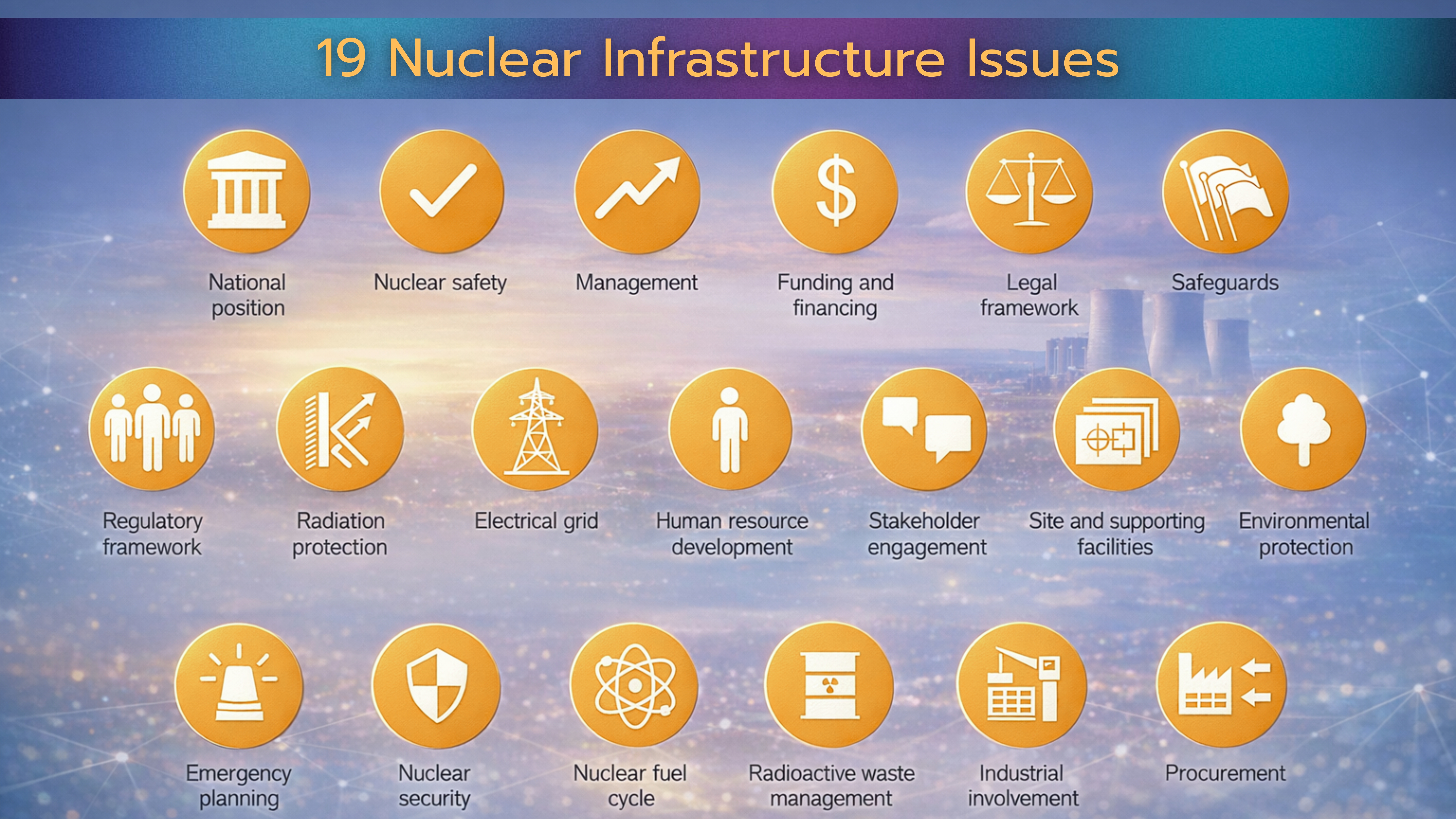
Although the world has experience operating over 400 nuclear reactors, the development of new nuclear power projects must be approached with caution at every stage. From policy formulation to technology selection, site evaluation, design, construction, operation, and regulation, all processes must strictly adhere to international standards. For Thailand, the new draft Power Development Plan incorporates Small Modular Reactors to enable the country to achieve Net Zero Emissions goal, while maintaining energy security. At present, relevant agencies and EGAT are collaborating to conduct studies to select the most suitable technology for the context of Thailand. This covers the dimensions of safety, economics, grid compatibility, and public acceptance. Moreover, Thailand is developing nuclear infrastructure across the 19 issues outlined by the International Atomic Energy Agency (IAEA), ensuring that the development of power plant projects is secure, transparent, and earns the trust of all sectors.
The journey of nuclear power, from the pioneering era to the development of SMRs, reflects lessons learned from the past and continuous advancement. Today, nuclear power is becoming a vital mechanism to balance energy security, economic viability, and environmental conservation. When the development of the projects is approached with caution, transparency, and adherence to the highest safety standards; nuclear power, particularly SMRs, will be the key that drives Thailand toward a future of clean power, passing on the sustainable world to the next generation.