
Hydropower Plant Development: A Small Step toward a Big Goal of Sustainability
16 May 2025Hydropower from dams is a form of clean energy that Thailand has utilized for a long time. Apart from the large dams operated by the Electricity Generating Authority of Thailand (EGAT), EGAT and the Royal Irrigation Department are now working together to enable dams under the responsibility of the Royal Irrigation Department to generate hydroelectricity as well. This collaboration not only promotes the use of eco-friendly renewable energy, but also contributes to improving the quality of life of local communities.
Clean Energy from Hydropower Plants
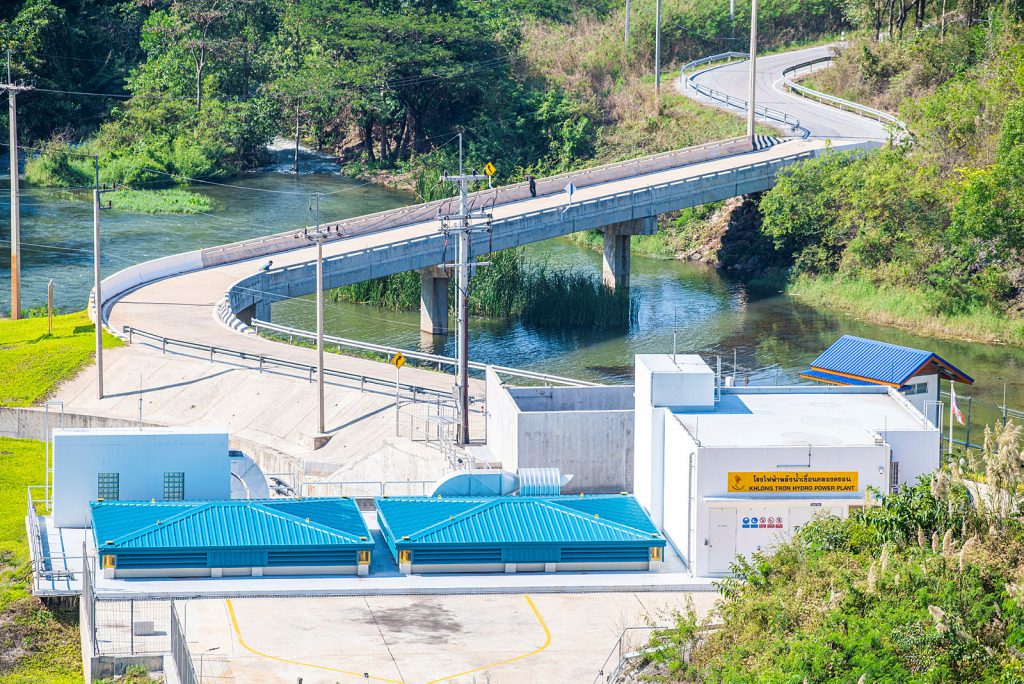
The Hydropower Plant Project involves electricity generation by converting the energy of water from dams into electrical power. This process does not require fuel, making it a clean and sustainable source of electricity that does not emit carbon dioxide (CO2), a major cause of climate change. Electricity generators installed at the bottom of penstock of the Royal Irrigation Department’s existing dams will generate electricity when the water is released downstream for agricultural purpose, in accordance with the Department’s water release plan. The process does not affect water consumption of the people living upstream or downstream of the dams. The project maximizes the use of existing water resources in a sustainable and efficient way. Moreover, it helps reduce the use of fossil fuels, which are subject to price fluctuations and are limited in supply. It also reduces greenhouse gas emissions in the power generation section, supporting Thailand’s goals of achieving Carbon Neutrality by 2050 and Net Zero GHG Emissions by 2065.
Supporting REC Trading and Carbon Reduction toward Sustainability
One of the key benefits of hydropower plants is their participation in the Renewable Energy Certificate (REC) market, a mechanism that promotes the production and use of clean energy in the industrial sector. REC trading provides incentives for businesses aiming to reduce carbon emissions by purchasing electricity from sources that use clean energy. The business owners can then obtain RECs to certify that they use electricity generated from renewable energy sources. RECs can be sold to the companies or organizations seeking to offset their carbon emissions, aligning with GHG reduction policy and sustainable development goal.
Power That Strengthens Communities
The Hydropower Plant Projects not only help reduce carbon emissions and promote the use of clean energy, but also bring benefits to local communities. During the construction phase, these projects create jobs and generate income for the local people, enabling them to work close to home rather than seeking a job in big cities. Moreover, the communities can improve their quality of life through the Power Development Fund which is financed by revenue from electricity sales. The fund supports community development through many projects, such as building social and economic infrastructure, promoting education, improving public utilities, providing skill training, and supporting environmental conservation around the power plant. All of these efforts contribute to sustainable improvement of communities’ living standards. As a result, hydropower plants are not only clean electricity generation sources, but also mechanisms for uplifting the quality of life of the local people.
Ongoing Project Development to Strengthen Power System Security
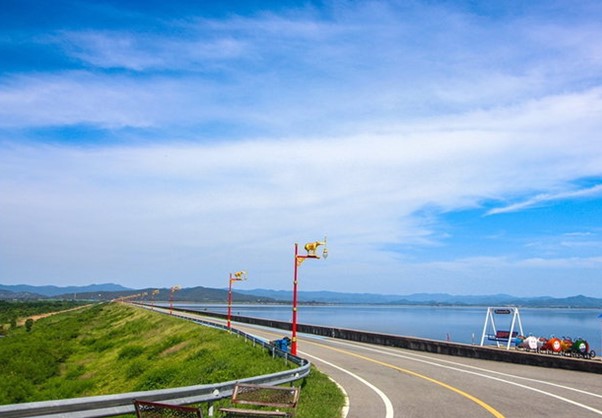
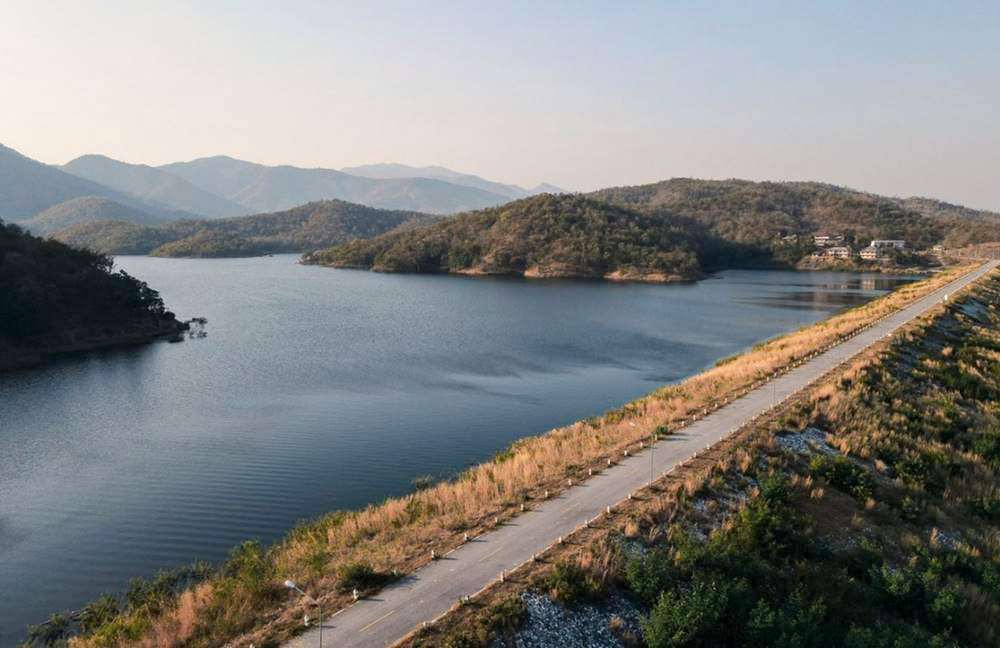
Since 2007, EGAT and the Royal Irrigation Department have been jointly developing hydropower plant projects. Construction has been completed at 10 sites: Chao Phraya Dam, Mae Klong Dam, Naresuan Dam, Pasak Jolasid Dam, Khun Dan Prakan Chon Dam, Kwae Noi Bumrung Dan Dam, Kiew Kho Ma Dam, Chulabhorn Dam, Khlong Tron Dam, and Pha Chuk Dam, with a combined generating capacity of 101.95 MW. Currently, four additional hydropower projects are under development, namely 1.5 MW Lamtakong Dam, 2.5 MW Lam Pao Dam, 1.25 MW Huay Mae Tho Dam, and 1.5 MW Krasiew Dam.
The Hydropower Plant Projects reflect Thailand’s efficient use of clean energy. They not only reduce carbon emissions and play a key role in REC trading, but also contribute to improving the quality of life of local communities. Apart from aligning with clean energy strategy, they help strengthen long-term stability and sustainability in economic, social, and community aspects. Although each project may have a small generating capacity, but when combined together, they represent a significant step toward achieving Carbon Neutrality. They create sustainable and eco-friendly power for future generations.