

Team Up! Smart Technologies Transform Power Grid for New Energy Era
8 July 2026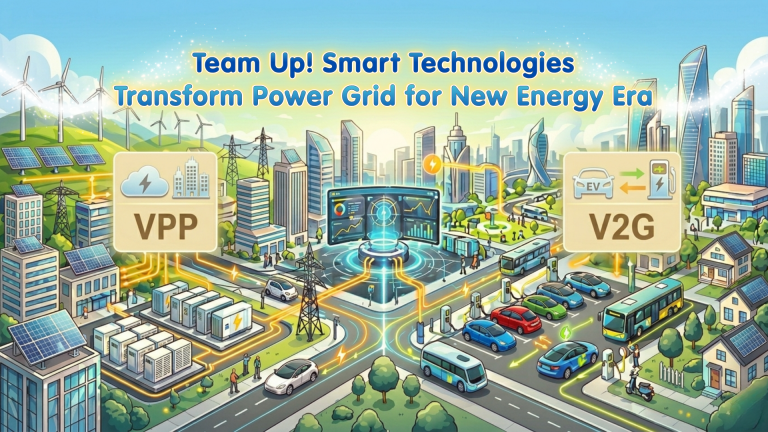
Imagine someone saying, “One day, electric vehicles (EV) will supply power back to the grid.” Would you believe it? With advanced technology evolving in the blink of an eye, EVs will soon be able to feed power back to the grid. Distributed clean energy resources across the country will be integrated as one virtual large power plant to supply electricity. These efforts are to reach one essential goal: driving Thailand toward Net Zero Emissions.
VPP and V2G: Smart Technologies for Power System Security and Electricity Cost Saving
The Electricity Generating Authority of Thailand (EGAT) is accelerating the development of Virtual Power Plant (VPP) and Vehicle-to-Grid (V2G) system to enhance grid resilience and reduce reliance on fossil fuel-based power generation. With fossil fuel prices now facing significant pressure from global uncertainties, particularly tensions in the Middle East, these two technologies play an important role in managing electricity costs and maintaining the power system.
VPP: Bringing Small Energy Sources Together as One
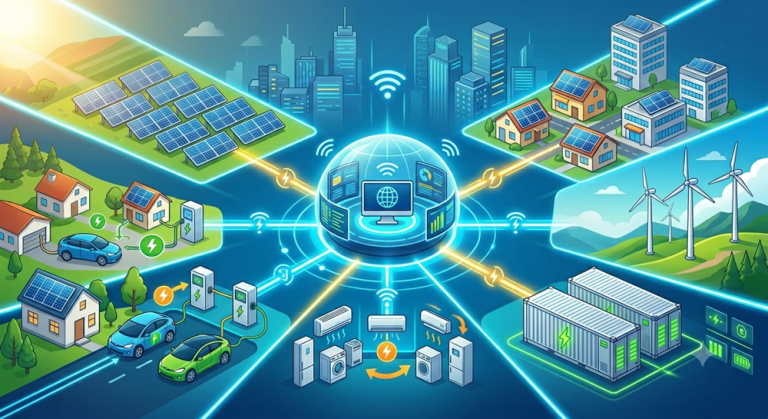
Due to the penetration of Distributed Energy Resources (DERs) in the power system, including solar farms, small wind turbines, biomass power plants, rooftop solar systems, and battery energy storage systems, EGAT has developed a VPP control system. By applying information technology, Internet of Things (IoT), and Artificial Intelligence (AI), the system connects the DERS into a unified network, operating as if they were “one large power plant.” When power demand increases or decreases, the National Control Center, responsible for maintaining power system security, will adjust the generating capacity based on the capability and availability provided by the VPP. The system enables the operator to manage both the amount of electricity generated and the timing of generation, similar to dispatching a large-scale power plant, while enhancing flexibility in power system management.
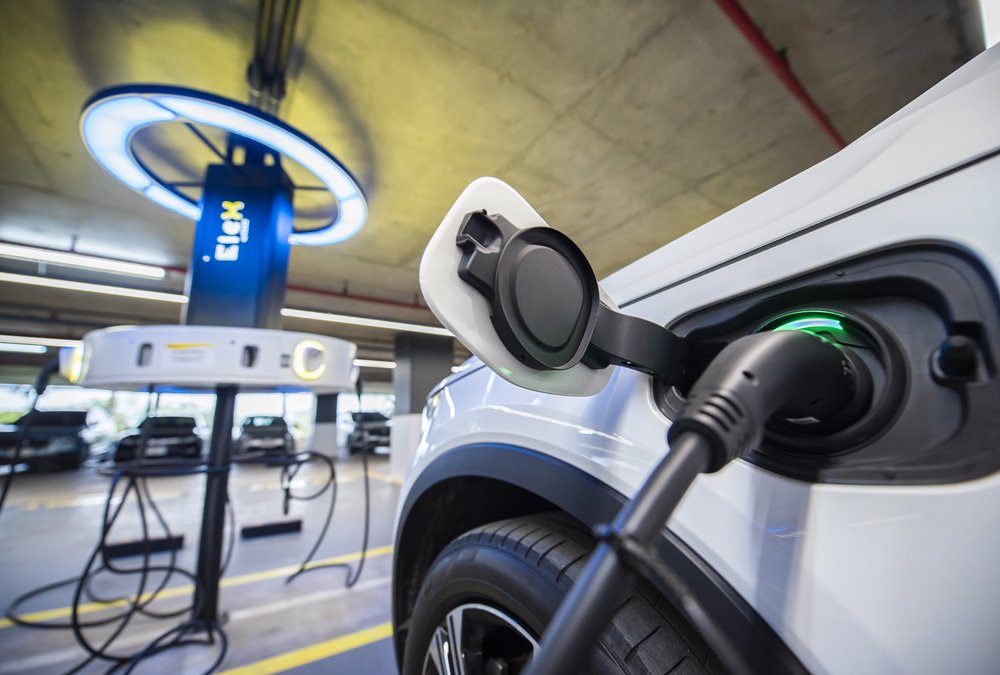
The VPP also includes V2G technology used to store power in EV batteries under normal conditions. During peak-demand periods, however, electric vehicles act as batteries, discharging the stored energy back to the grid as supplemental power. The growing number of EVs in the future means that more EVs can serve as small power plants to enhance the power system security during peak-demand periods. Currently, EGAT is conducting a pilot project using WattDrive platform to test the adoption of V2G technology among automobile companies, marking a vital step toward future EV load management.
These innovations aggregate the capacity of very small power plants, enabling them to function as a large power plant that can supply electricity to the grid whenever required, thereby enhancing power system security and reducing generation costs from power plants that use expensive fuels.
3 Heroes for More Robust Power Grid
The increasing penetration of renewable energy can significantly affect the power system. Due to the intermittency caused by weather conditions and uncontrollability compared with conventional power plants, renewable energy sources have limited capability in voltage and frequency regulation. EGAT has, therefore, applied three smart technologies to maintain the stability of the power system, while avoiding adverse impacts of renewable energy on the power grid.
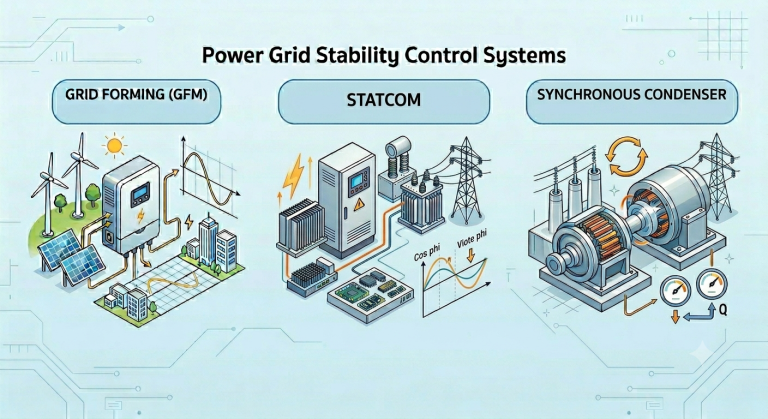
Grid Forming technology, a cutting-edge inverter, features virtual inertia capability, enabling inverter-based power sources in remote areas far from main power plants to supply power while maintaining stable voltage and frequency. This technology helps mitigate frequency fluctuations that may occur due to disruptions in the power system. Grid-forming technology is deployed together with the Static Synchronous Compensator (STATCOM), an electronic device installed in the high-voltage substation. Its sub-second response enables highly flexible voltage control, allowing voltage levels to be adjusted rapidly and accurately under all operating conditions. When a nearby short circuit occurs, the STATCOM is activated to instantly maintain the voltage stability, preventing the risk of a widespread blackout. In addition, Synchronous Condensers (SC) are installed to provide rotational inertia and reactive power support to regulate voltage and strengthen the power system, while also ensuring the proper operation of protection and control systems, similar to grid support provided by conventional power plants.
Thailand’s transition to a clean energy era needs more than simply expanding clean energy sources. It also requires improvements in energy management, starting with energy balancing and grid modernization through V2G and VPP integration, which transforms electricity consumers into active supporters of the power system. Furthermore, smart technologies such as Grid Forming, STATCOM, and Synchronous Condenser are installed to strengthen the power grid. These are the driving forces that EGAT is accelerating to ensure clean, reliable, and affordable electricity supply for Thais, moving toward a secure and sustainable low-carbon society.